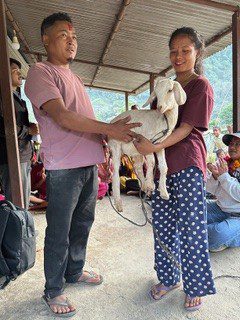
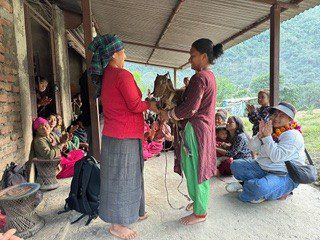
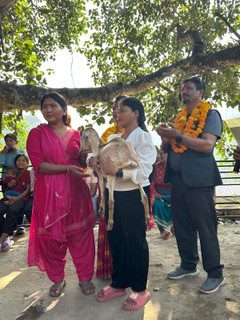
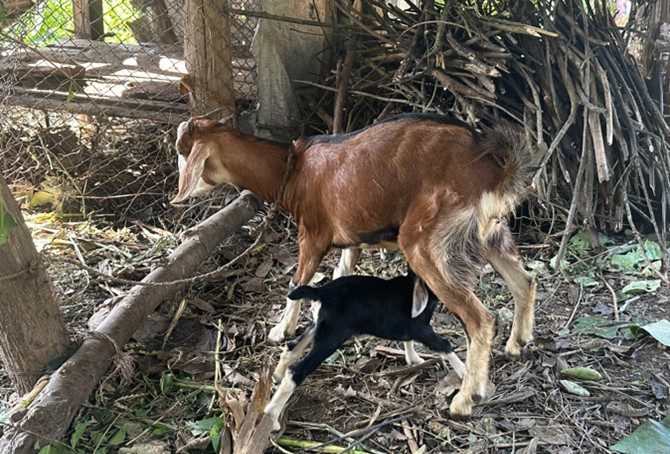
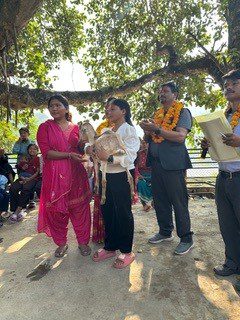
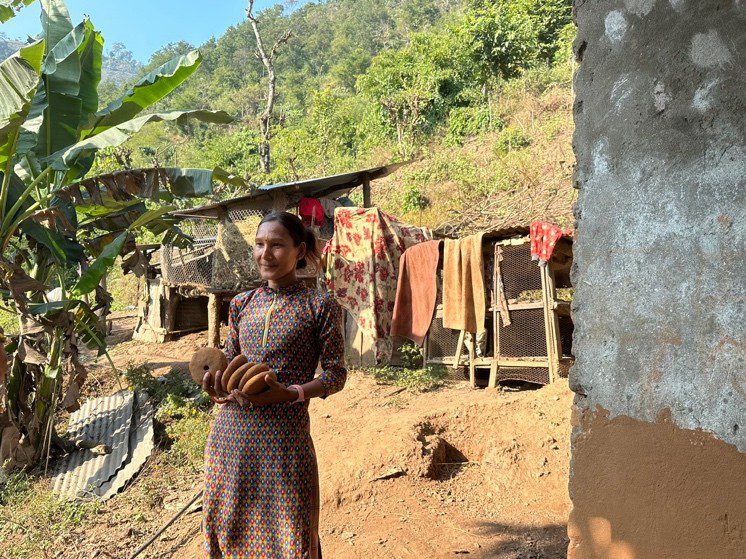
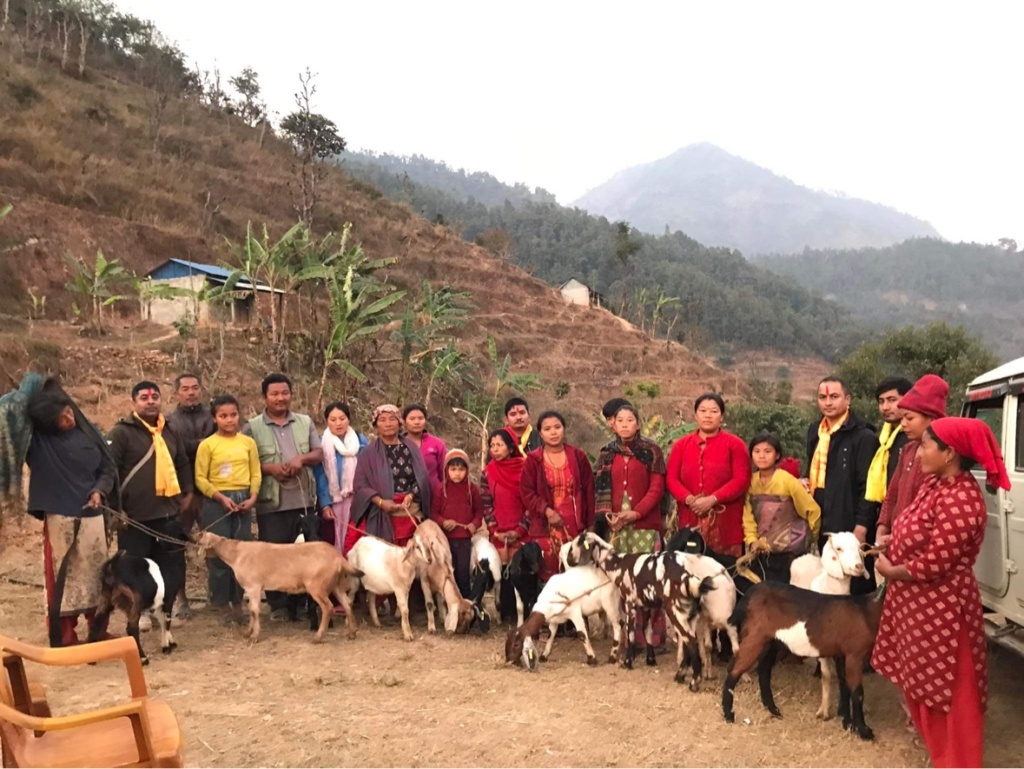
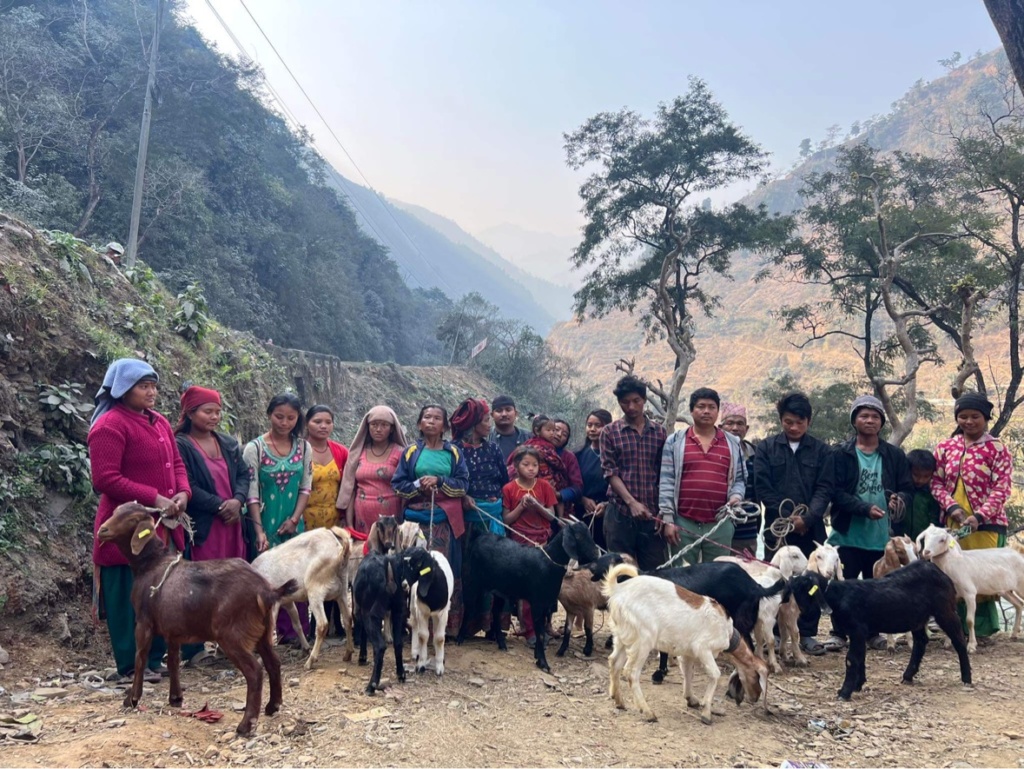
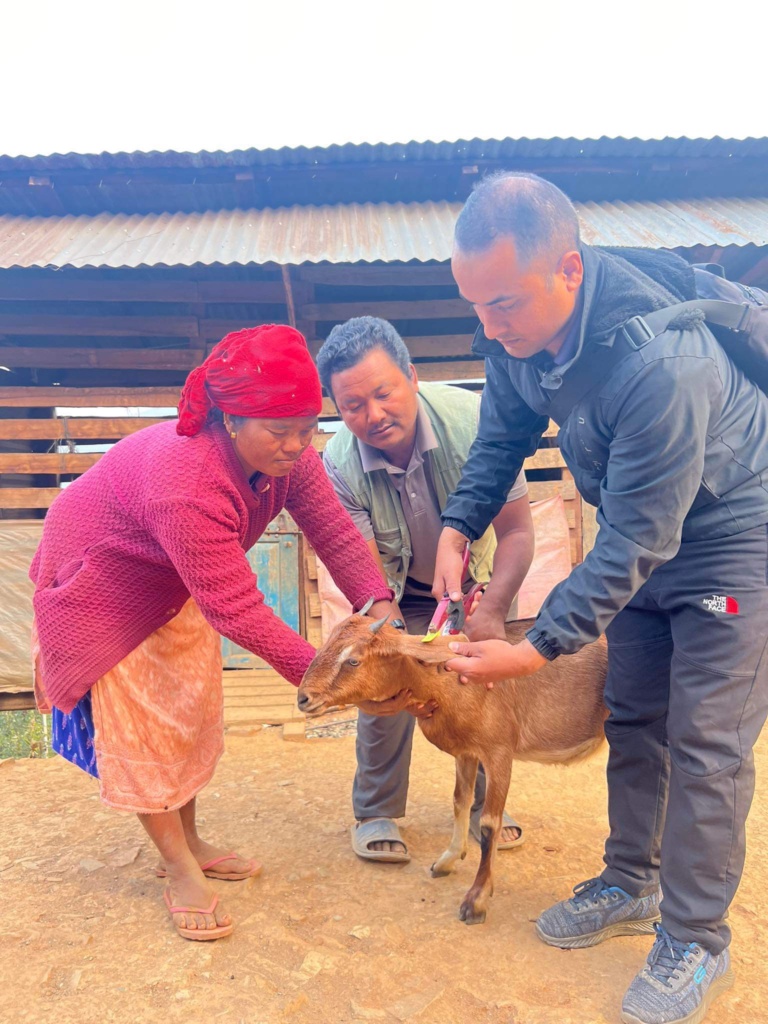
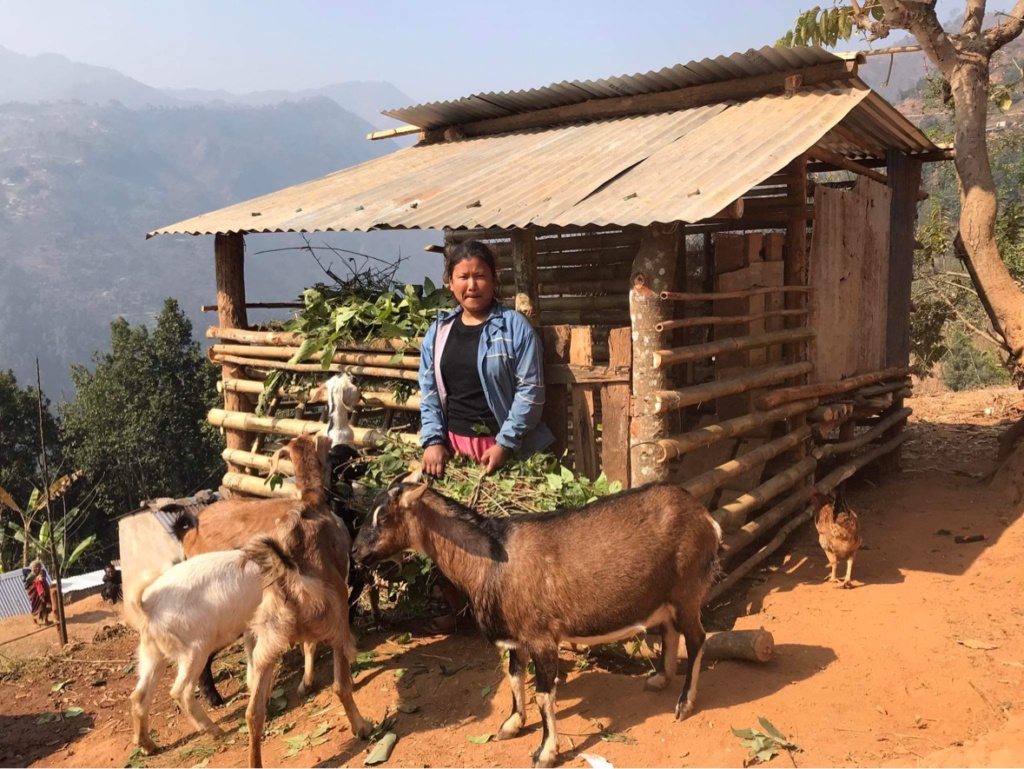
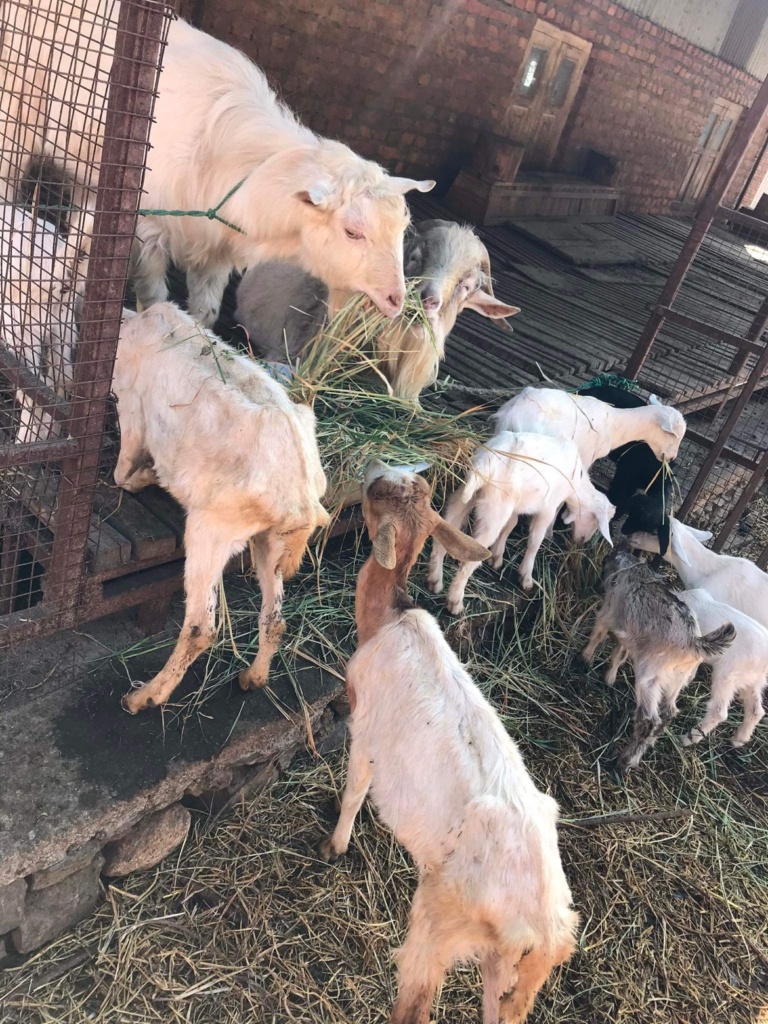
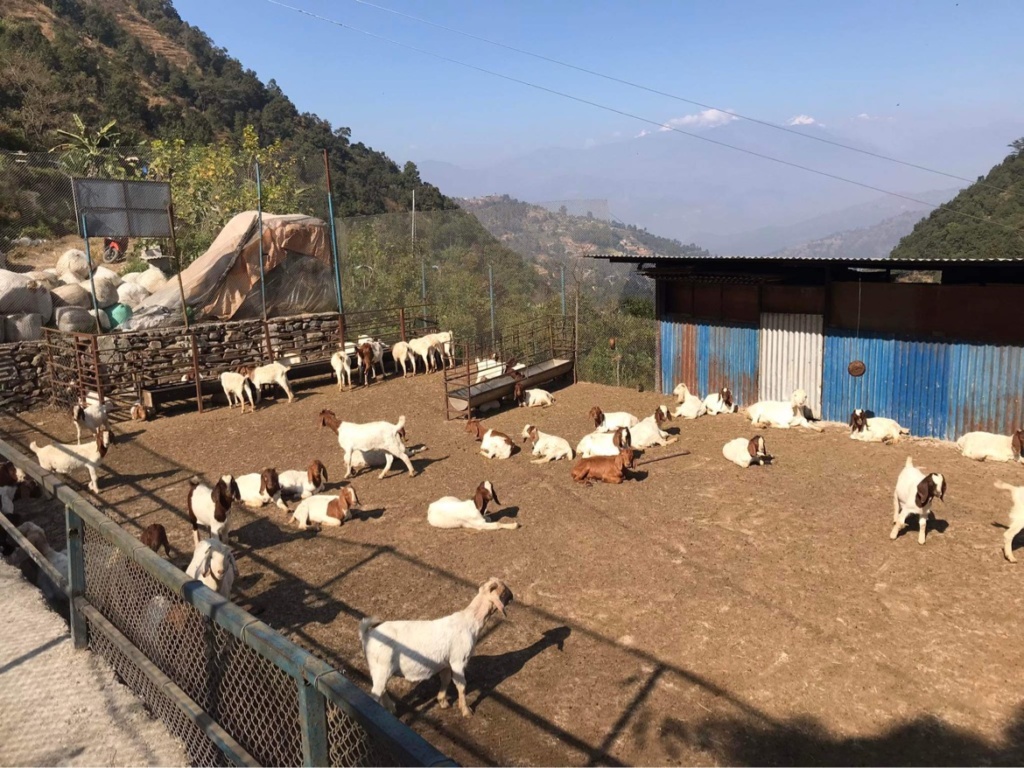
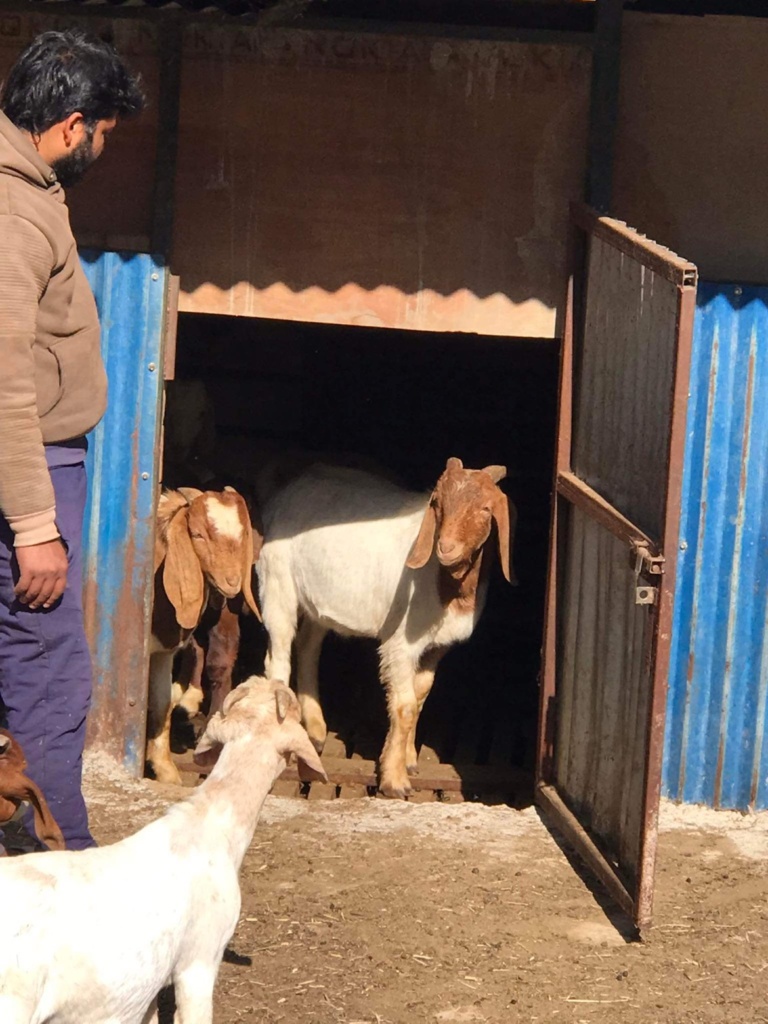
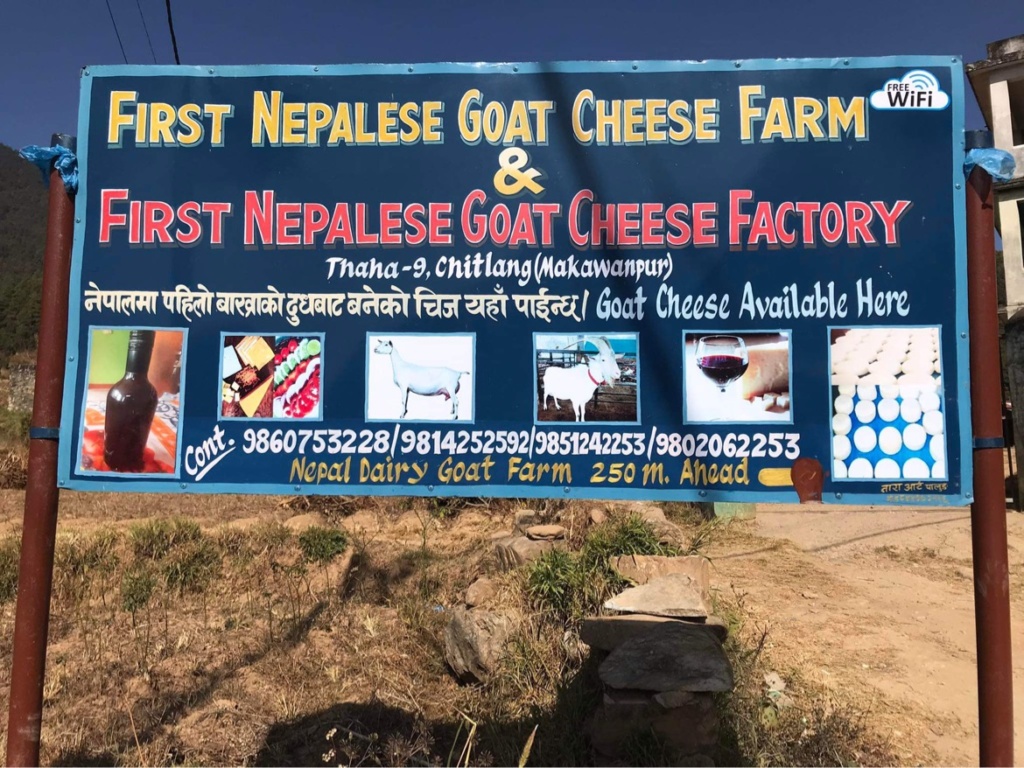
Almost two years ago, we were able to launch this special project in the village of Chepang: 58 goats were given to 58 families as start-up aid for food security and their own income. Today, we are delighted to see that the first milestone has been reached.
Since then, 56 healthy young goats have been born and passed on to other families as part of the project. Two kids are still small and with their mother; they will be handed over as soon as they are big enough. In this way, the aid continues to grow step by step – from family to family, and hopefully from generation to generation.
Goat breeding is intended to help strengthen the independence, sense of responsibility, and economic stability of the families. We will continue to accompany and support the families wherever necessary to enable a sustainable improvement in their living conditions.
We are very grateful for this success – and for everyone who made this project possible.
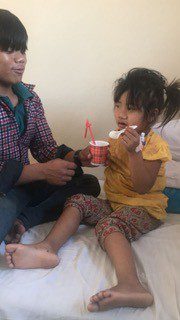
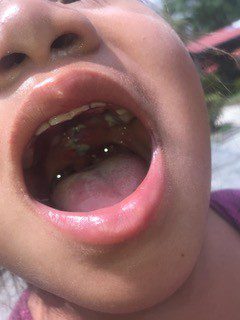
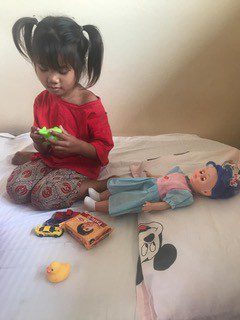
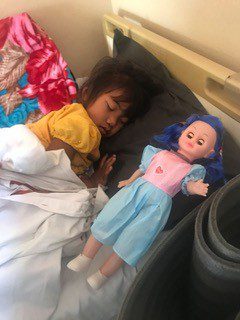
Five-year-old Aksha Chepang was born with a cleft palate. Because of this condition, she faced challenges in her education, as well as difficulties in speaking and eating properly. During a field visit, the Tara Namaste Foundation (TNF) met Aksha and promised her family to help her receive the medical treatment she needed.
With the kind support and coordination of Dr. Prakash Kalika Pudasaini, and with the help of Sushma Koirala Memorial Hospital in Sankhu, Kathmandu, Aksha underwent a successful cleft palate surgery. After 13 days of care at the hospital, Aksha and her father returned home with joyful hearts and bright smiles.
We are deeply grateful to everyone who helped make this life-changing journey possible. A special thank you to Dr. Prakash; Surgeon Dr. Manohar Yadav; Anaesthetist Dr. Christiane; and the entire team at Sushma Koirala Memorial Hospital. We also extend our sincere thanks to Dr. SSB, MKY, RB, and Michaelfor their ongoing support and collaboration.
This was just thefirst surgery, Aksha will need two more surgeries for the complete treatment of her cleft palate. The Tara Namaste Foundation will continue to cover all medical costs to ensure she receives the full treatment and a brighter future.
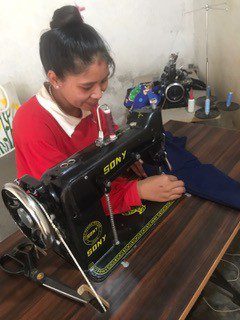
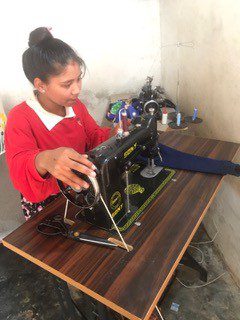
Kumari lives in our Chepang community with her husband and 7-year-old daughter. She is a housewife and her husband is a laborer with an irregular income. To feed her family, she grows seasonal vegetables and raises goats. She is also the team leader of the Beltar Group (Beltar goat breeding group). Kumari is honest, hardworking, and always interested in discovering new opportunities for her family and her community. That’s how she came up with the idea of a tailor shop.
There are no local tailors who make clothes in the entire community. So we supported her idea and enabled her to train as a tailor.
Kumari began her tailoring training in March 2025 and has now successfully completed it. She is eager to establish herself in this field. To do so, she needed the appropriate equipment, such as a sewing machine and accessories. Tara Namaste helped make this possible, and she is now looking forward to starting her small business.
Kumari now has the opportunity to establish herself in the tailoring trade and contribute to her family’s livelihood in a sustainable way. This is a positive example of individual direct aid for all involv ed.
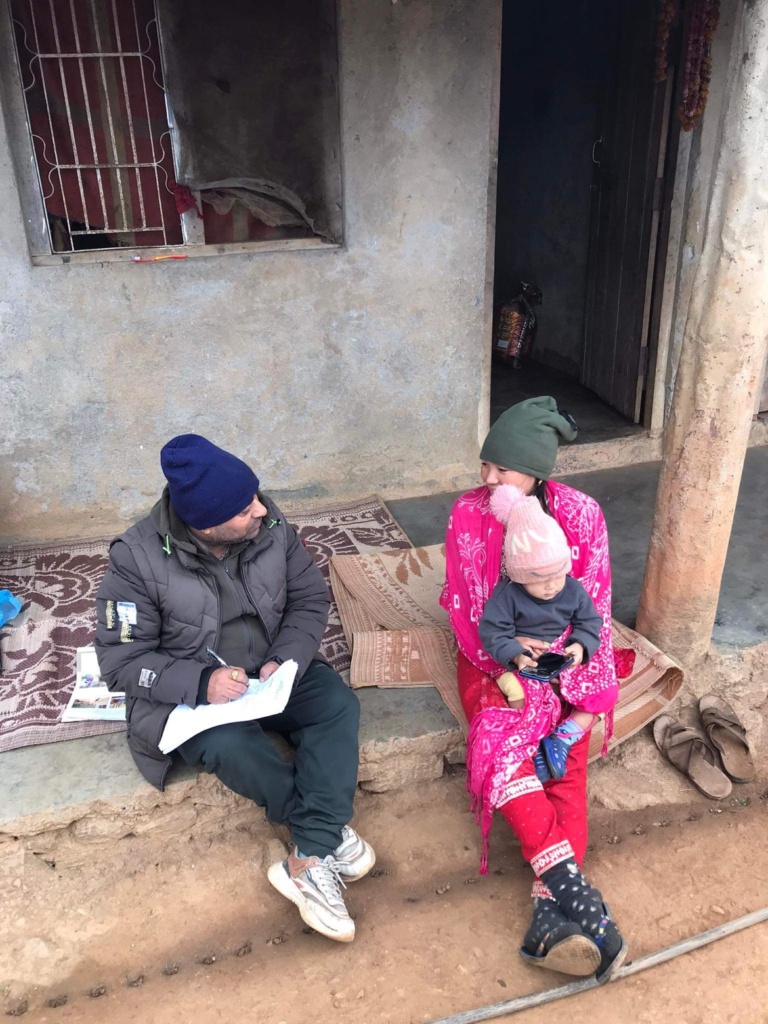
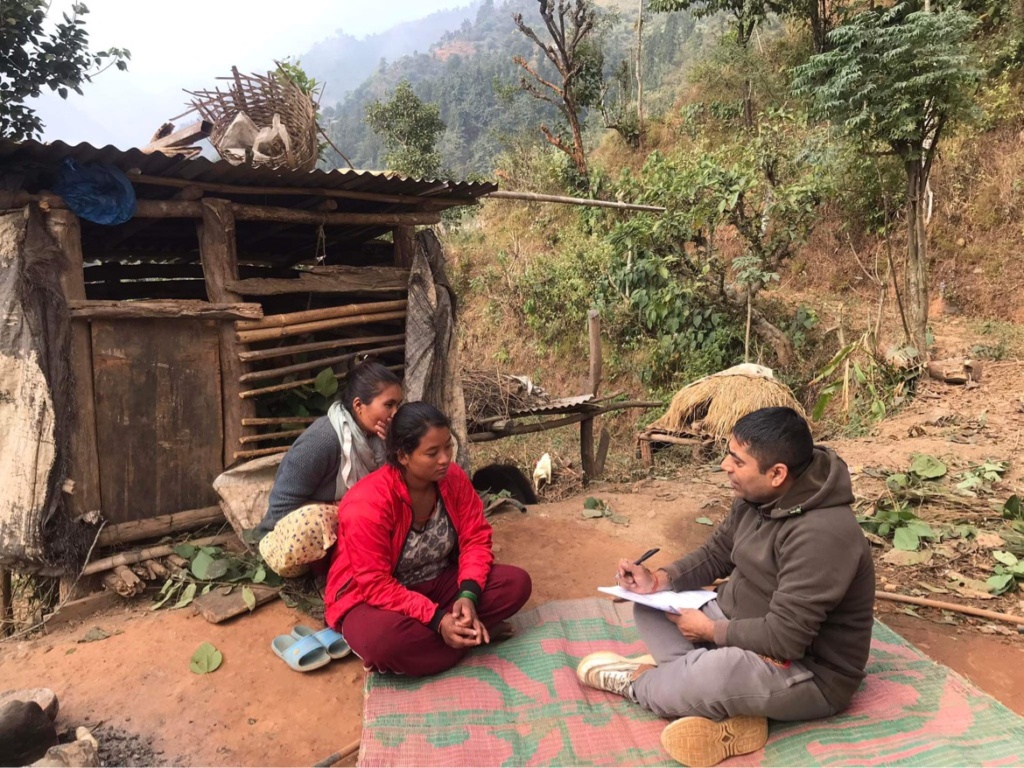
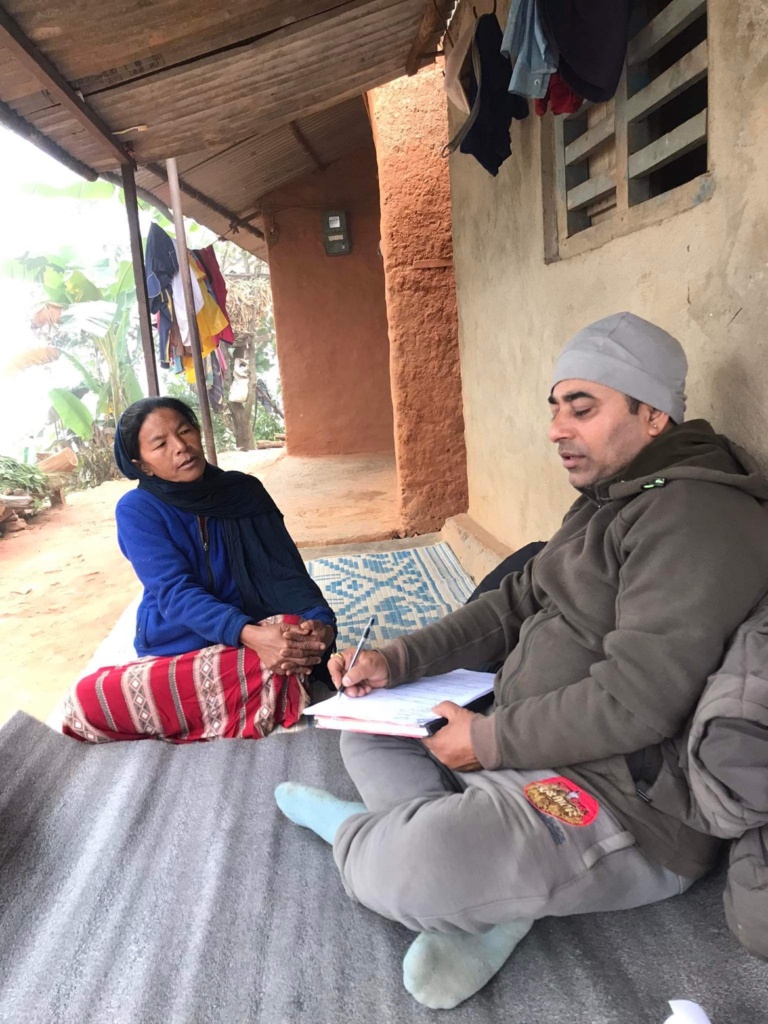
Our visit to Chepang Village was marked by noticeable changes, open encounters, and a great deal of mutual confidence. It is clear to see how the village is developing step by step – driven by the great commitment of the local people and a shared vision for a sustainable future.
Close cooperation with the village community is particularly important to us. We want to develop the village not for, but with the people, strengthening their independence and creating long-term prospects.
An impressive example of this is our goat project: two years ago, 58 goats were given to 58 families. Since then, 56 young goats have been successfully passed on to other families. This snowball effect shows how sustainable the project is – income, food security, and responsibility are growing together.
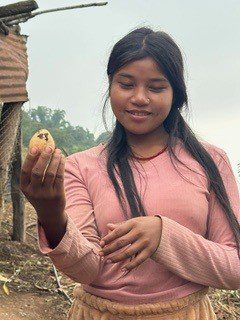
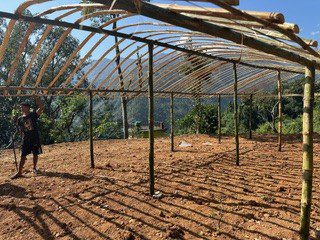
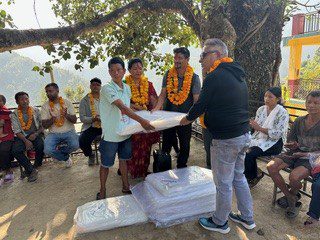
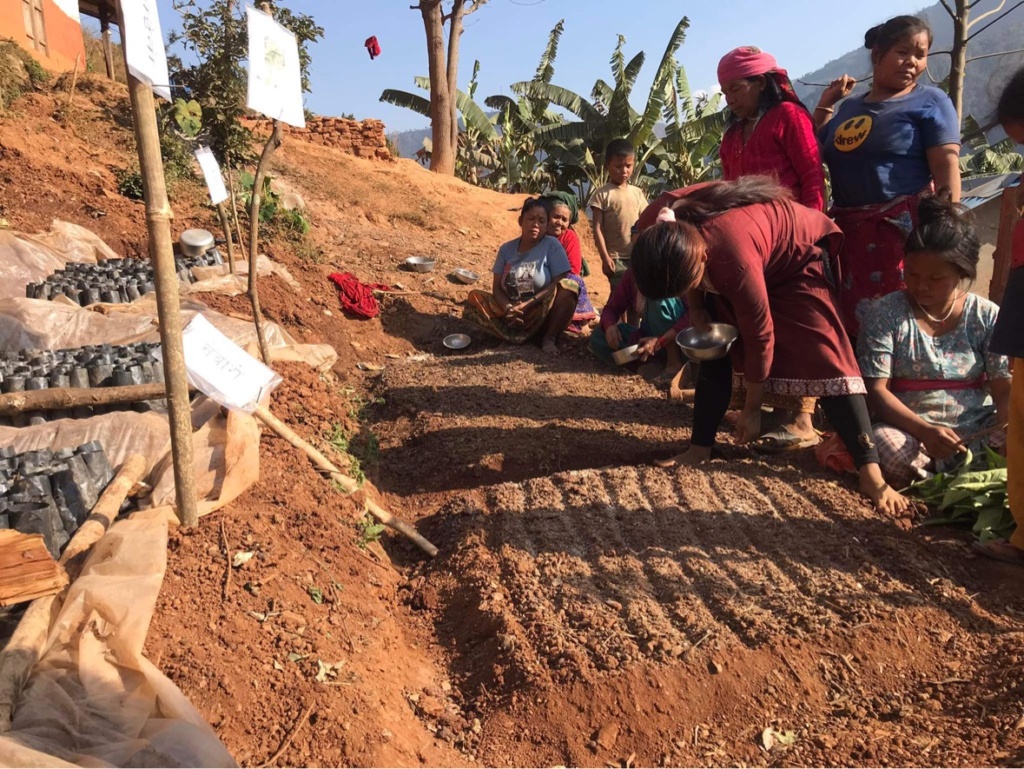
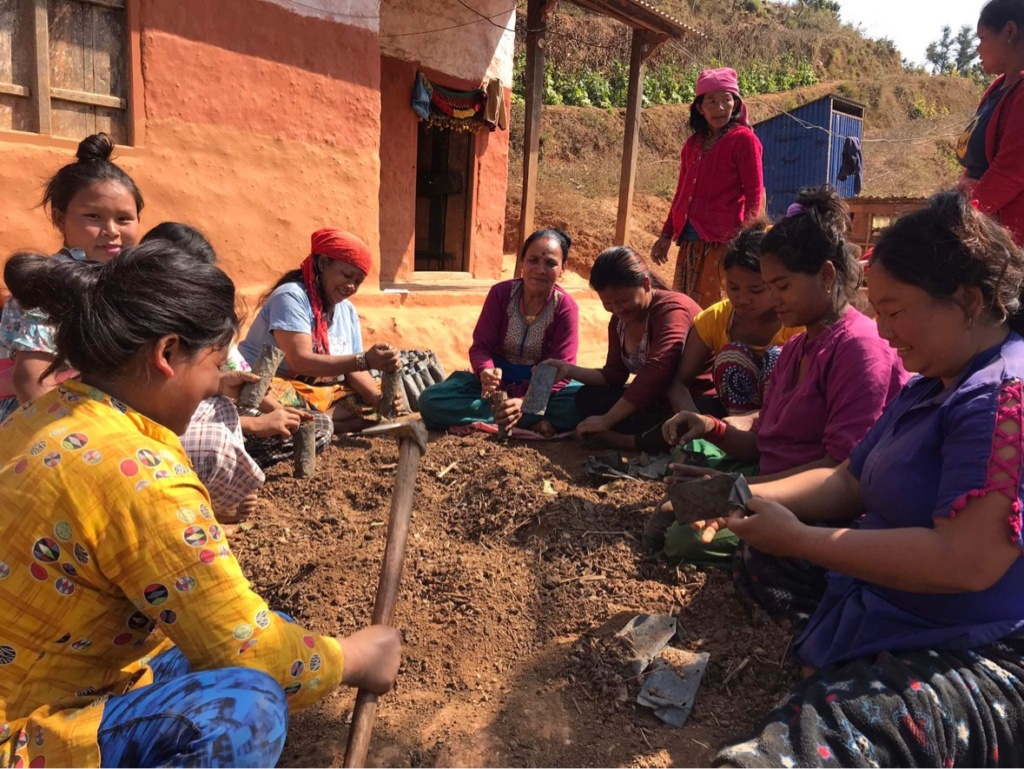
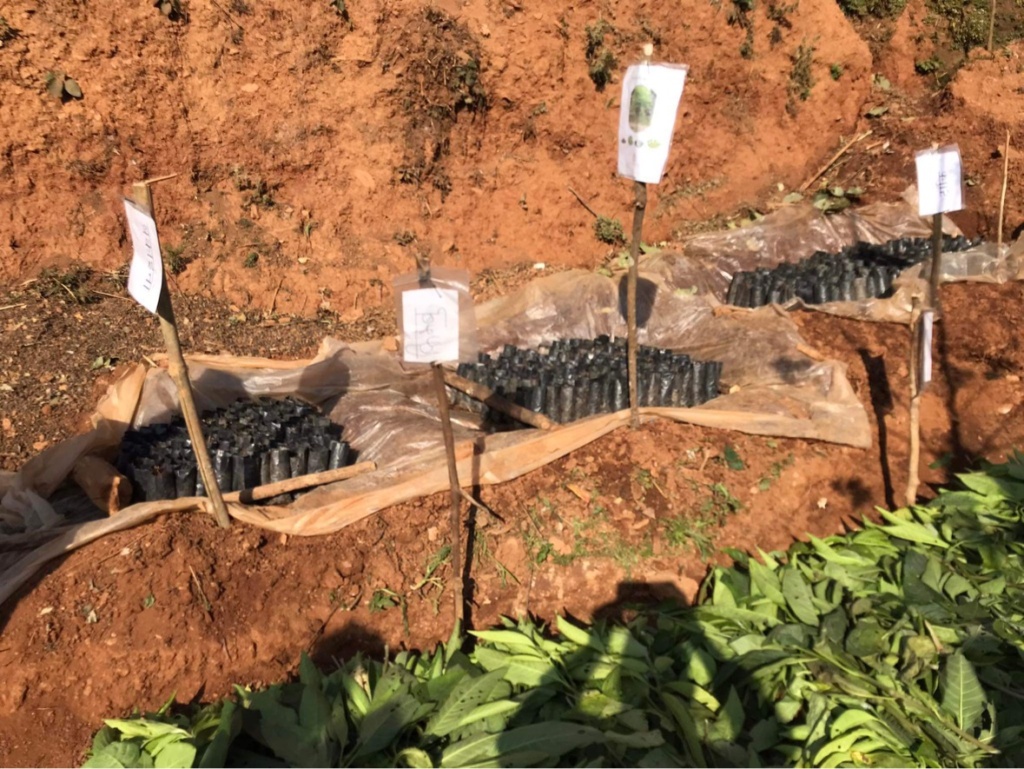
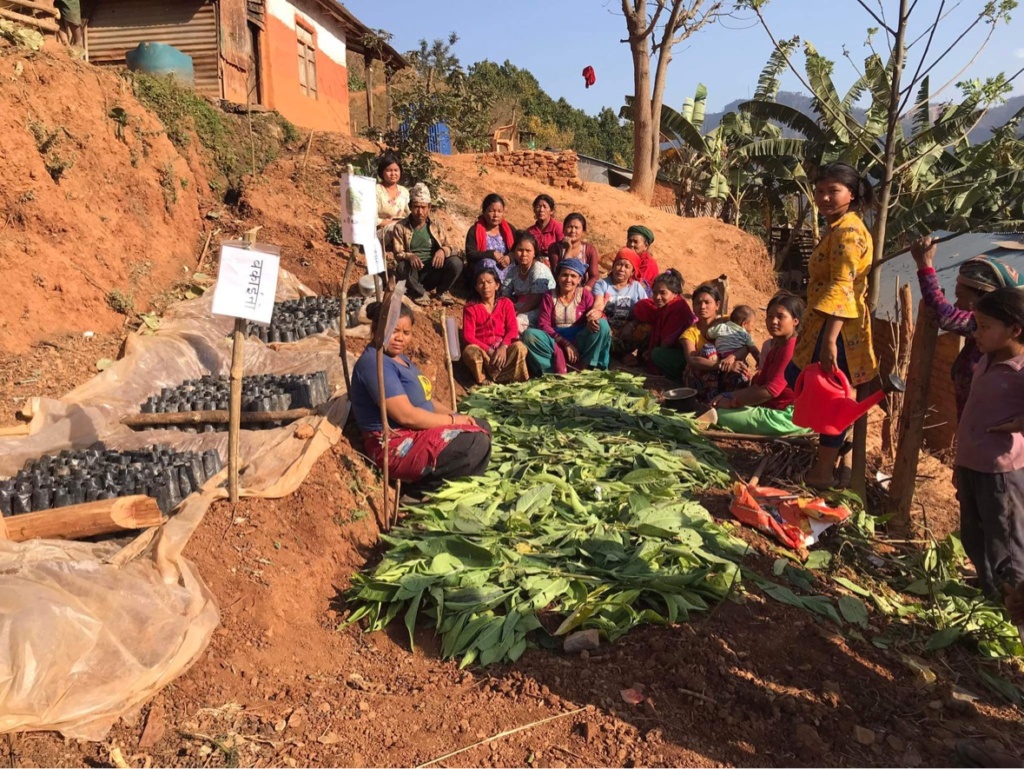
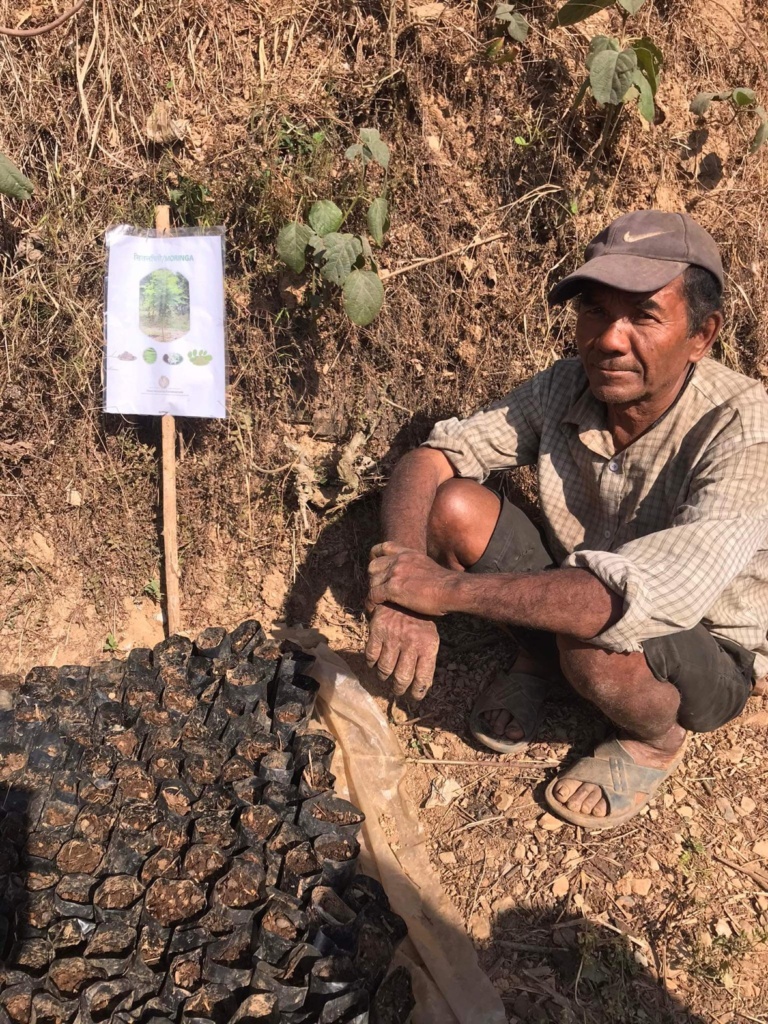
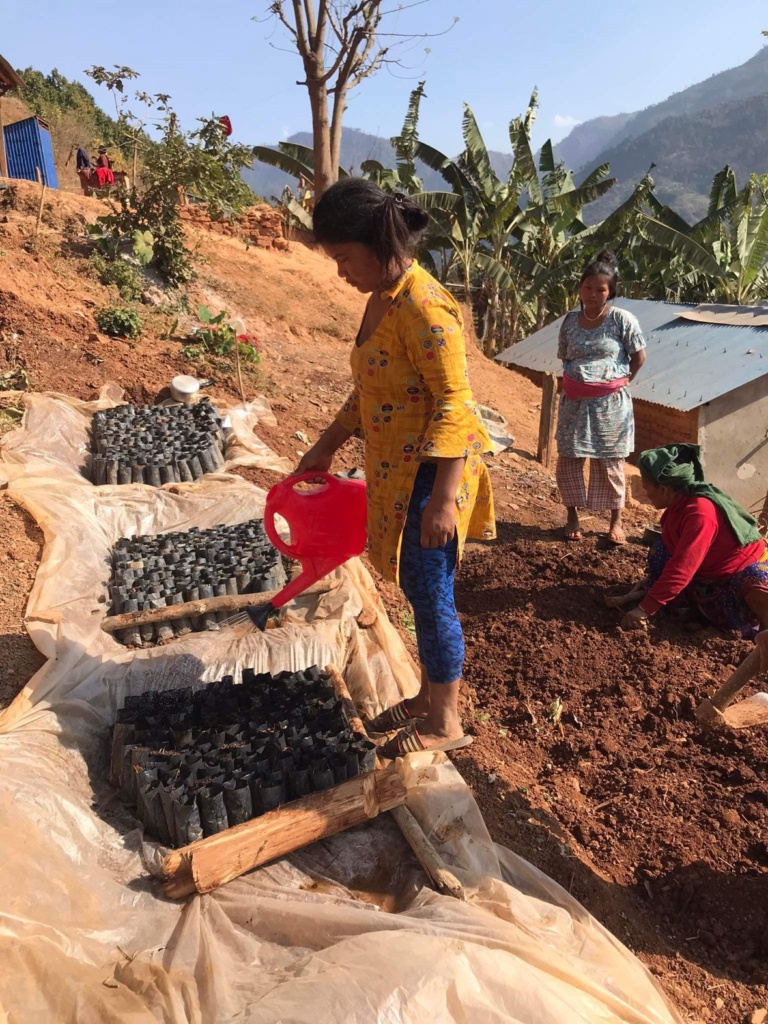
In agriculture, too, we are working together to secure the future. During our visit, we launched two pilot projects: 110 avocado seeds were distributed and eight families were given covers for plastic tunnels, which make cultivation more resistant to the effects of climate change. These measures are intended to improve agricultural production, secure harvests, and create new income opportunities – even under increasingly difficult climatic conditions.
In this way, we are jointly exploring new avenues in agriculture. Their development is being carefully monitored so that we can learn from the experience and, if the results are positive, enable other families to benefit.
We were deeply impressed by the openness, drive, and hope we encountered in the village. Together with the local people, we want to continue on this path – step by step, sustainably, and with confidence in what can be achieved.
Visit to the children’s home in Nepal – A reason for great joy
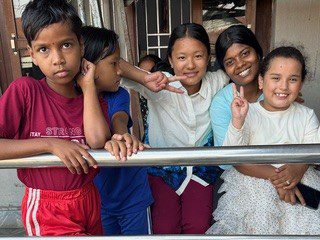
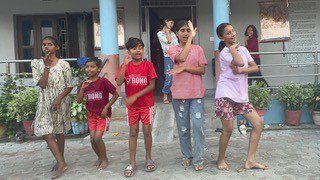
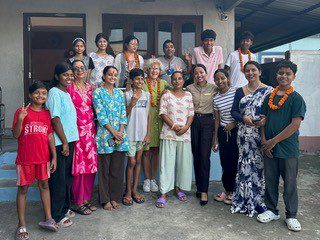
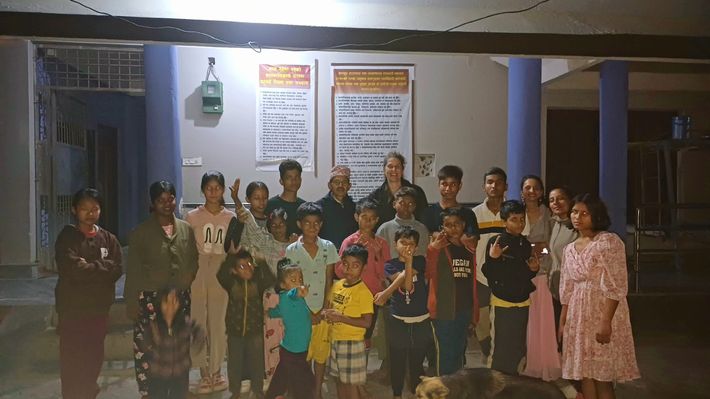
Our most recent visit to the children’s home in Nepal was a very special experience for us – full of joy, gratitude, and confidence. The children are developing wonderfully, and it was great to see how much self-confidence, zest for life, and stability they have gained. The home is filled with laughter, mutual respect, and a strong sense of community.
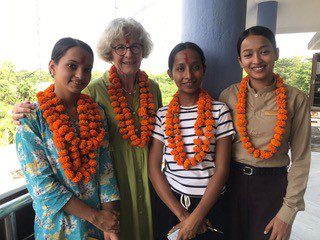
An emotional highlight was saying goodbye to three young women who have now been released into independent living. This step makes us particularly proud: once vulnerable children, they have become responsible, strong young adults who are now going their own way. This moment is a touching reminder of how sustainable and effective our joint work is.
The joy at this success was palpable for everyone—the young women themselves, the children, the team on site, and us. It gives us courage, strength, and great hope for the future.
We would like to express our heartfelt thanks to everyone who makes this valuable work possible and who accompanies and supports the children on their journey.
Visit to Chepang Village November 2025 – Shaping the future together
Our visit to Chepang Village was marked by noticeable changes, open encounters, and a great deal of mutual confidence. It is clear to see how the village is developing step by step – driven by the great commitment of the local people and a shared vision for a sustainable future.
Close cooperation with the village community is particularly important to us. We want to develop the village not for, but with the people, strengthening their independence and creating long-term prospects.
An impressive example of this is our goat project: two years ago, 58 goats were given to 58 families. Since then, 56 young goats have been successfully passed on to other families. This snowball effect shows how sustainable the project is – income, food security, and responsibility are growing together.
In agriculture, too, we are working together to secure the future. During our visit, we launched two pilot projects: 110 avocado seeds were distributed and eight families were given covers for plastic tunnels, which make cultivation more resistant to the effects of climate change. These measures are intended to improve agricultural production, secure harvests, and create new income opportunities – even under increasingly difficult climatic conditions.
In this way, we are jointly exploring new avenues in agriculture. Their development is being carefully monitored so that we can learn from the experience and, if the results are positive, enable other families to benefit.
We were deeply impressed by the openness, drive, and hope we encountered in the village. Together with the local people, we want to continue on this path – step by step, sustainably, and with confidence in what can be achieved.
Rita Chepang is a single mother of three children. She has no regular income and struggles with mental health problems.
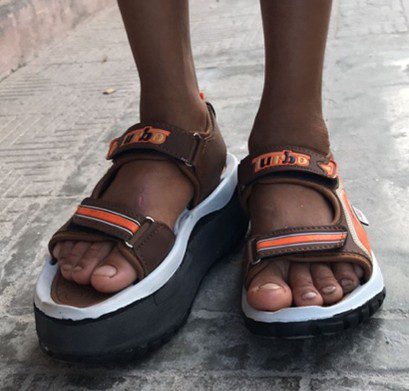
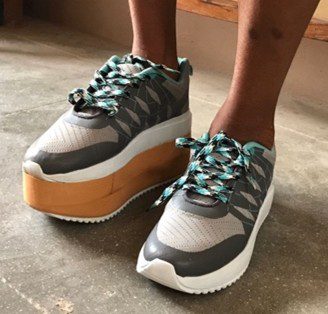
Saran (see separate report) is the eldest of the three children and is now 13 years old. The latest examinations have been completed and no surgical interventions are planned. With the help of new shoes (extra sole for the shorter leg) he can now walk without crutches.
The support for Saran continues. His education is important and so we will support his mother and cover his school fees.
Rita has a great desire to improve her income opportunities with goat farming. She will receive a young goat from our program and we will continue to support her with two additional goats. She is motivated and the accommodation for the goats is ready.
Thanks to the support of a Swiss donor, we can make this possible.
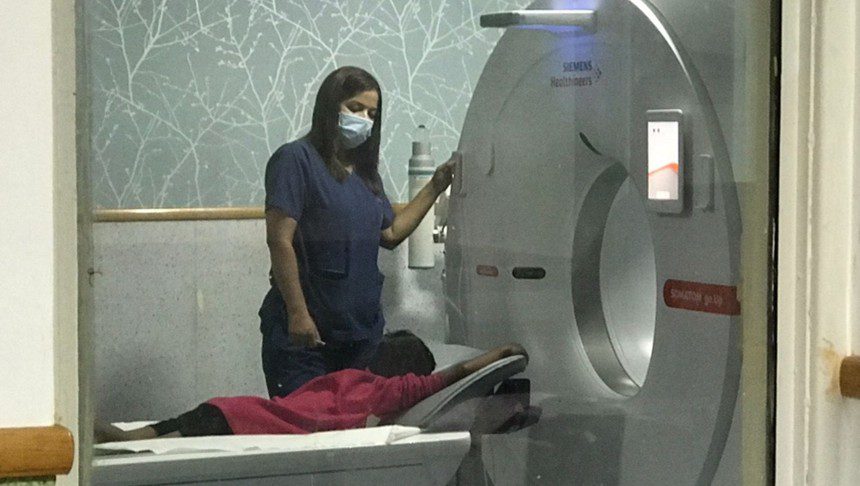
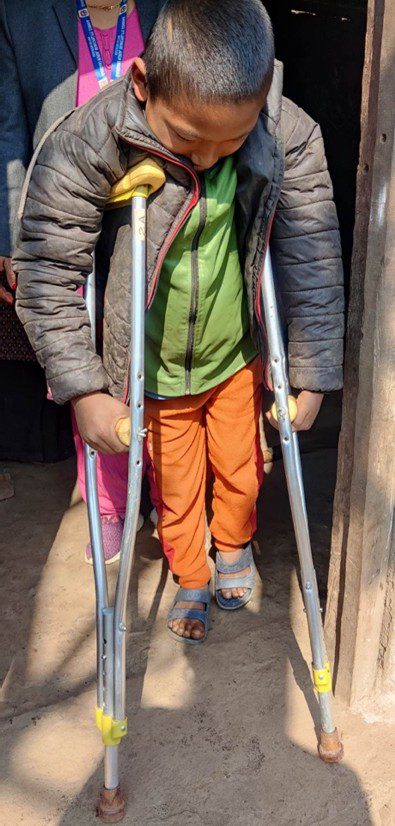
Saran, a 10-year-old boy from the Chepang community in Ghyalchowk, had an accident 18 months before we first met him. He had suffered multiple bone fractures, which were not treated properly due to a lack of medical care. Since then, he has been unable to walk. His right leg is significantly shorter because the thigh bone has grown above the hip socket, and he can no longer bend his right arm because the elbow joint was severely damaged. Saran’s school is a 20-minute walk away and can only be reached over rough terrain. As a result, he was no longer able to attend school. He also had an open wound on his thigh that was constantly inflamed and would not heal.
We met Saran for the first time during our visit in October 22. It quickly became clear that he needed help. Physically disabled and without an education, his future looked bleak.
After consulting with him and his mother, Saran was taken to a hospital in Kathmandu, where his wound was given appropriate medical treatment and examinations were carried out to assess his overall condition. The doctors diagnosed bone tuberculosis, which was treated with medication for a year.
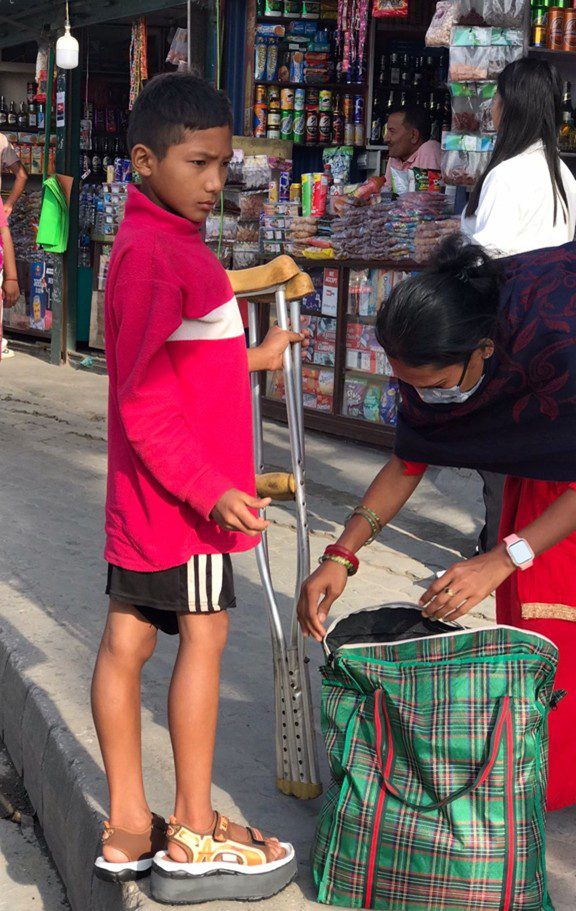
After a few days, Saran was discharged from the hospital with crutches. He now lives with his family again and receives medical care from the local health official every two days. His wound has healed and he has gained strength thanks to additional protein-rich foods such as eggs and beans. With the help of crutches, he is now able to attend public school again.
Saran has since replaced his crutches with new shoes. This allows him to move around without them, which he clearly prefers and finds easier.
In the spring of 2025, Saran completed his third year of school and now has to attend a different school that is even further away from his home. This would be difficult for Saran due to his disability.
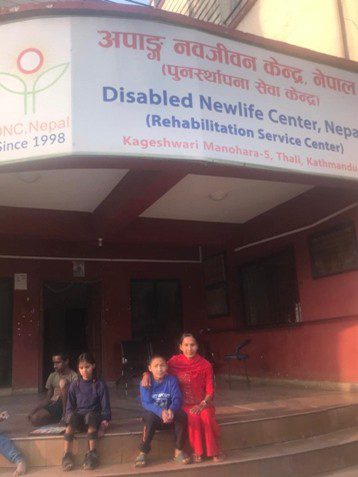
Thanks to our local connections, the Disabled Newlife Center (a local NGO) in Kathmandu accepted Saran in April 2025. He is in good hands there and is receiving a good education, which is extremely important for his future. Saran is happy there and his mother is also grateful and happy for her child. We will continue to support Saran and be there for him in the future.
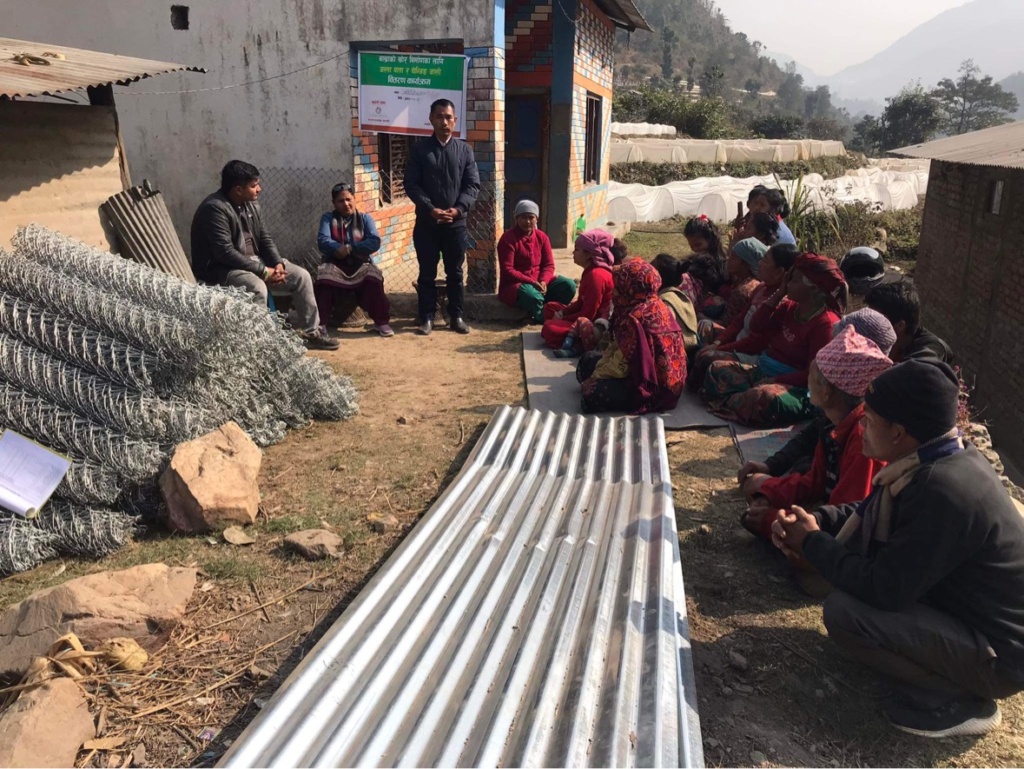
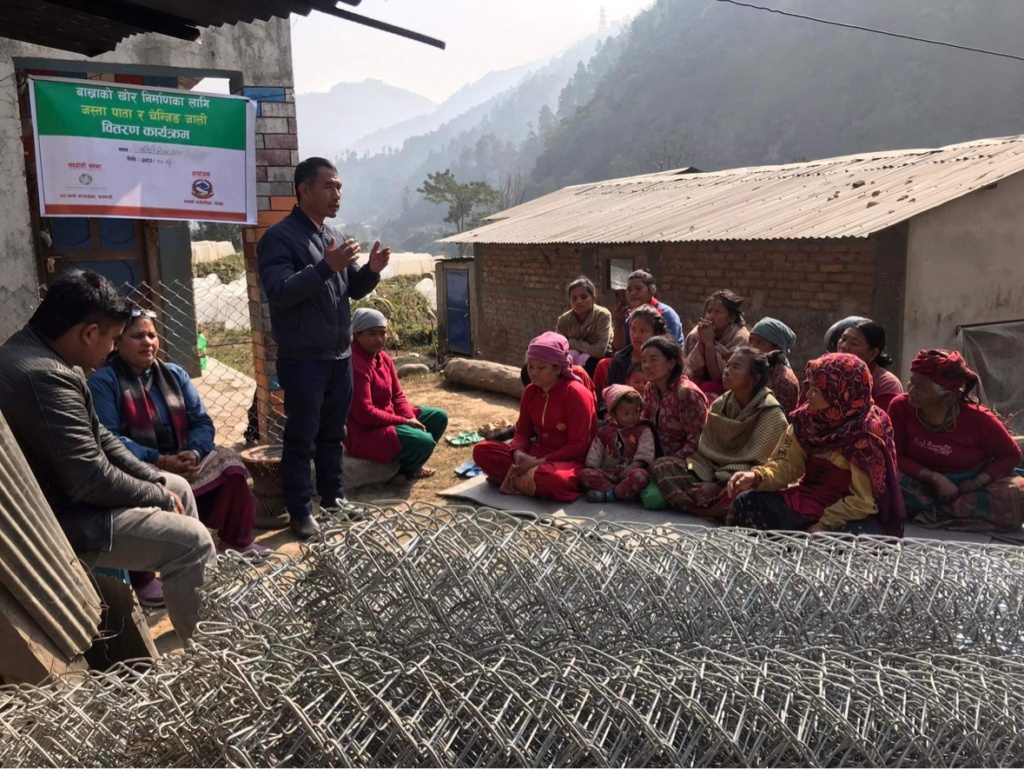
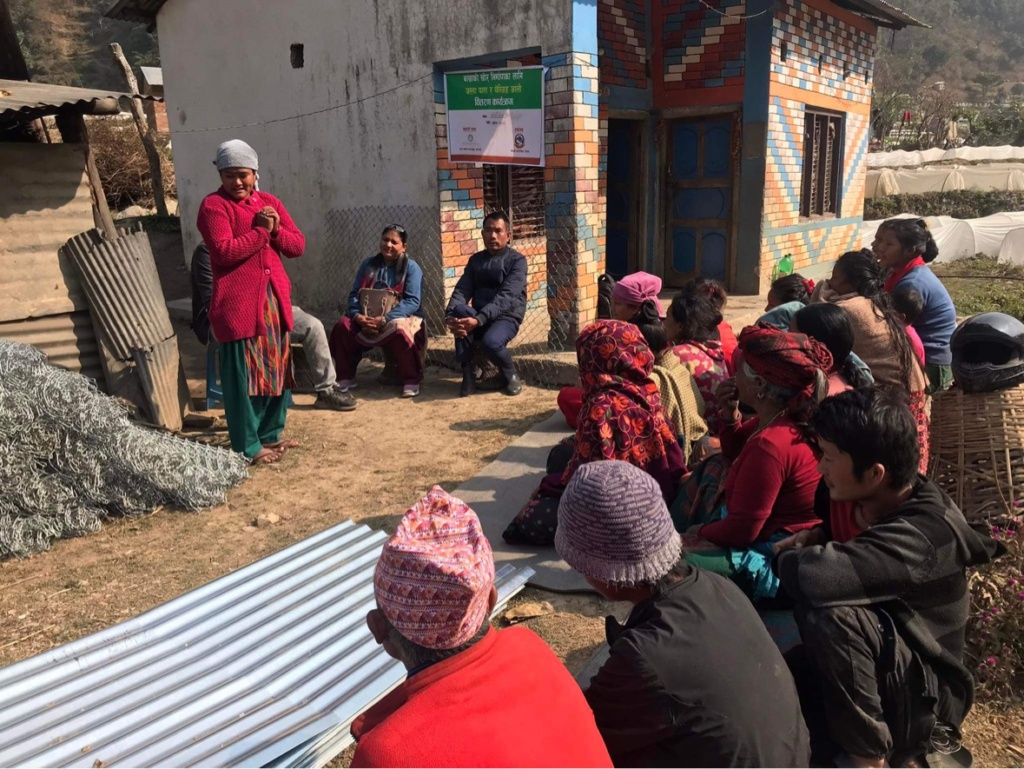
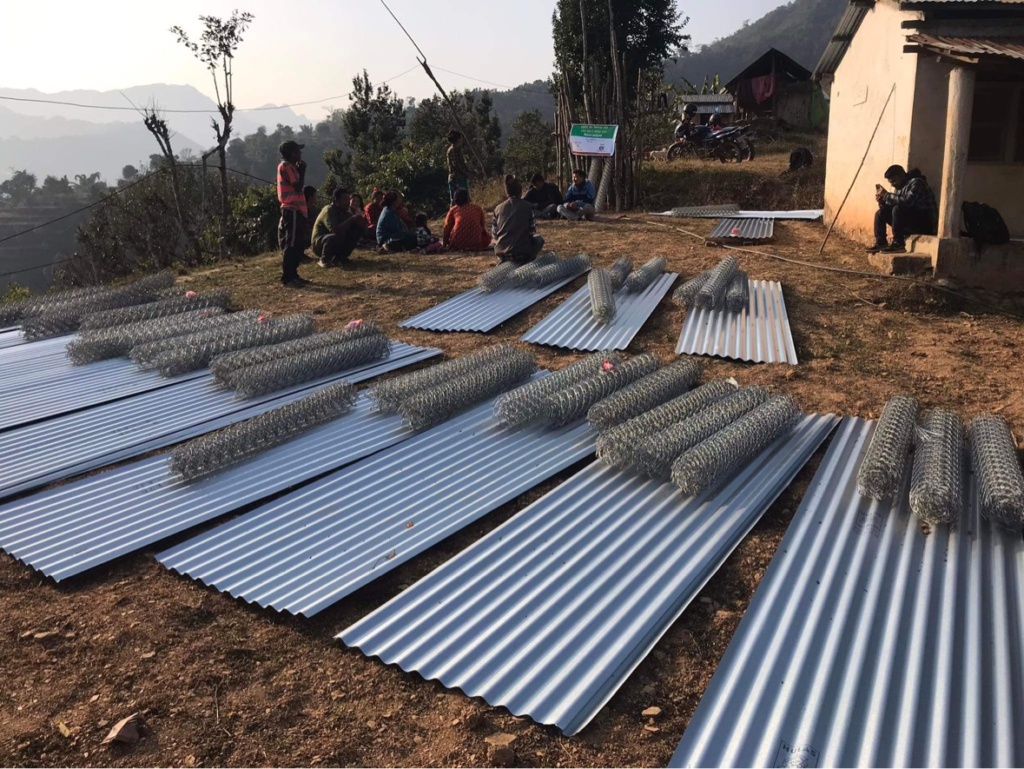
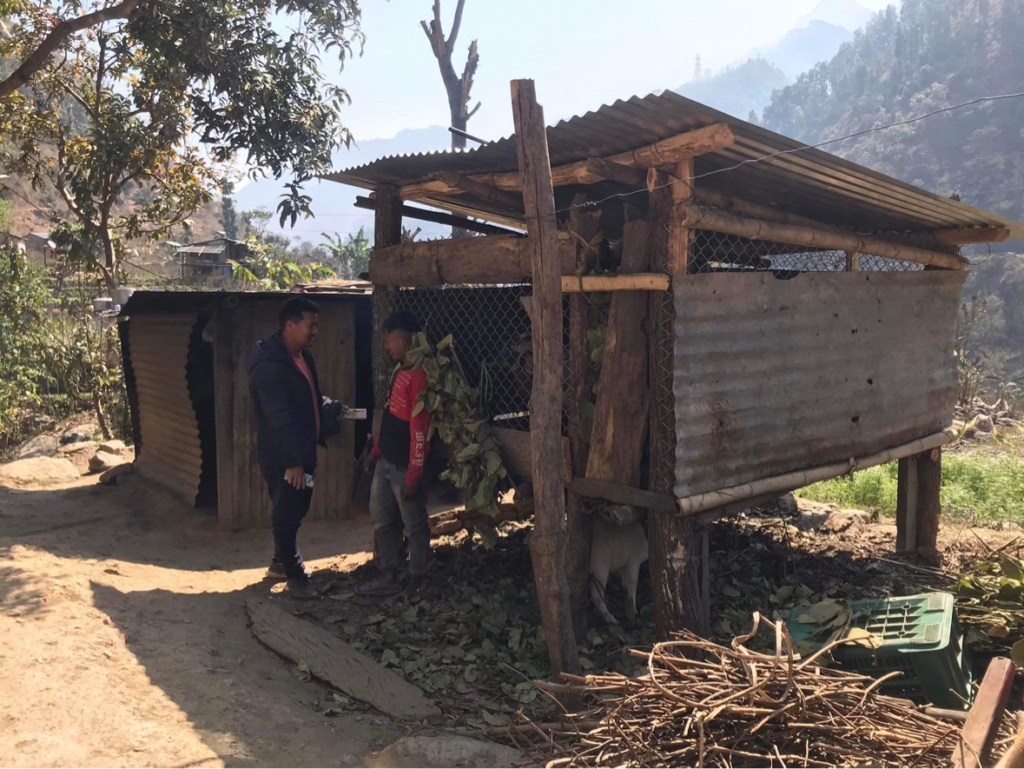
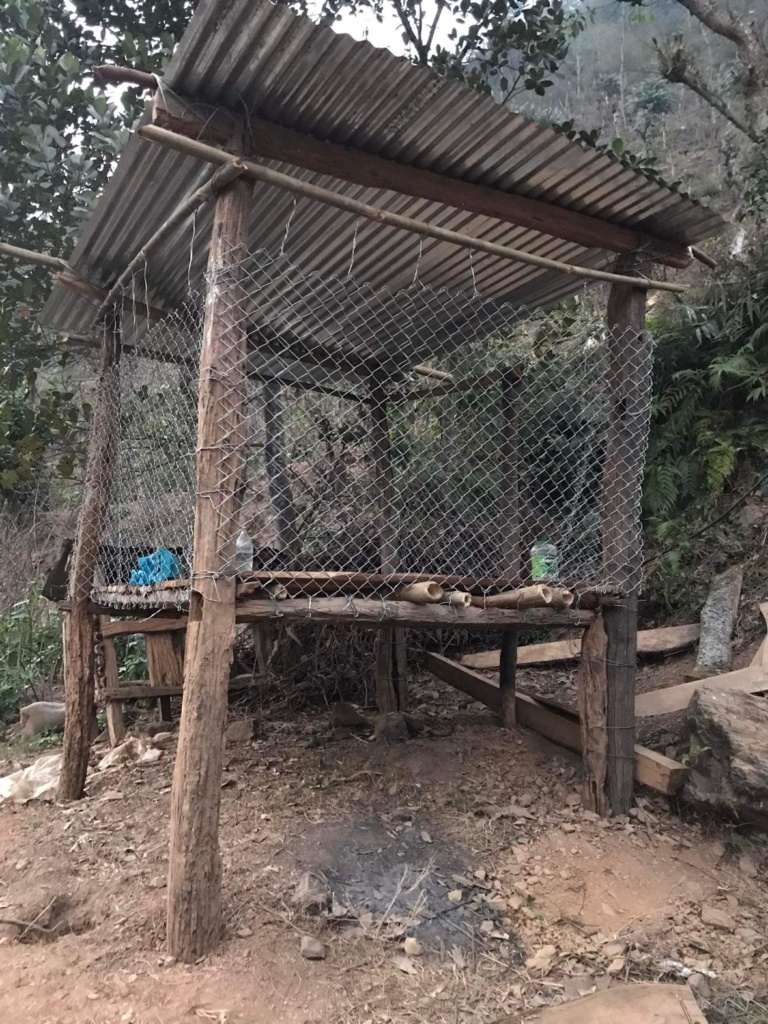
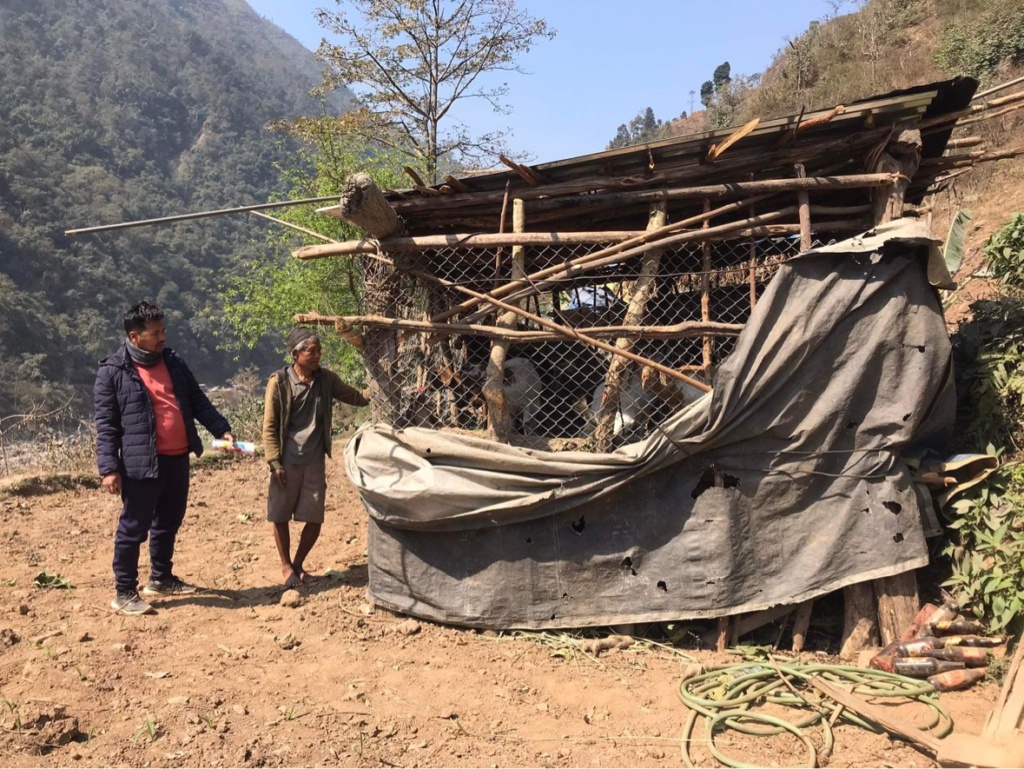
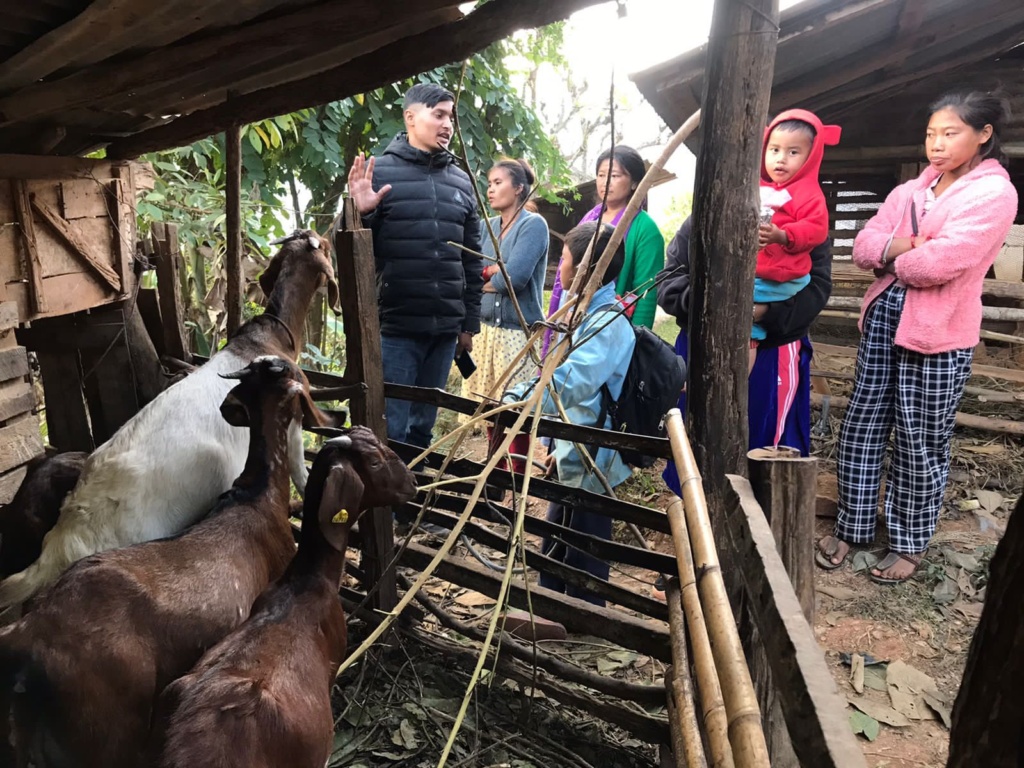
The last few weeks in the Chepang Communtiy have been characterised by impatient anticipation, great excitement, joy and a lot of work. After a long preparation phase, the “goat breeding” project has finally been realised. The families of the first three groups, i.e. 58 families, received their goats. Beforehand, the accommodation for the animals have been renovated or newly built and grass has also be sown to ensure that there is enough food.
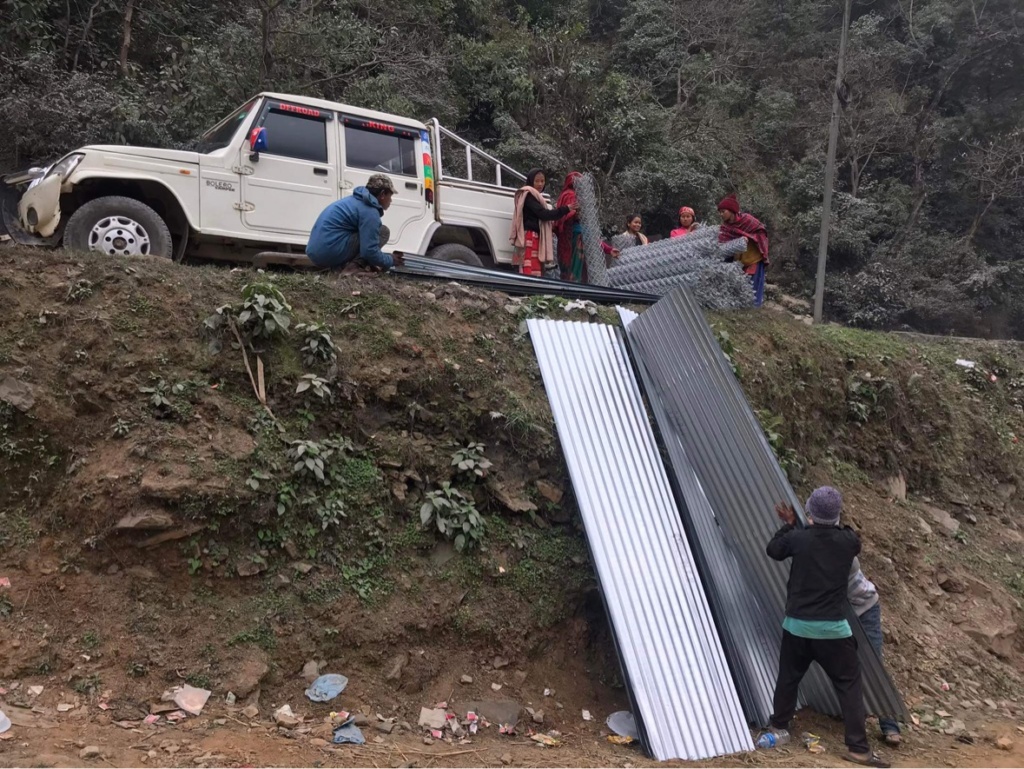
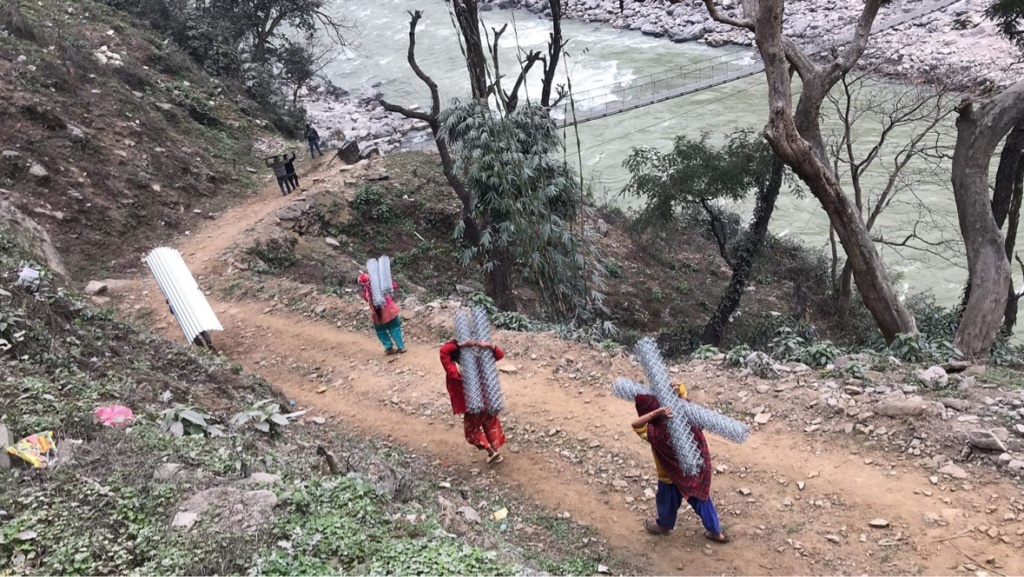
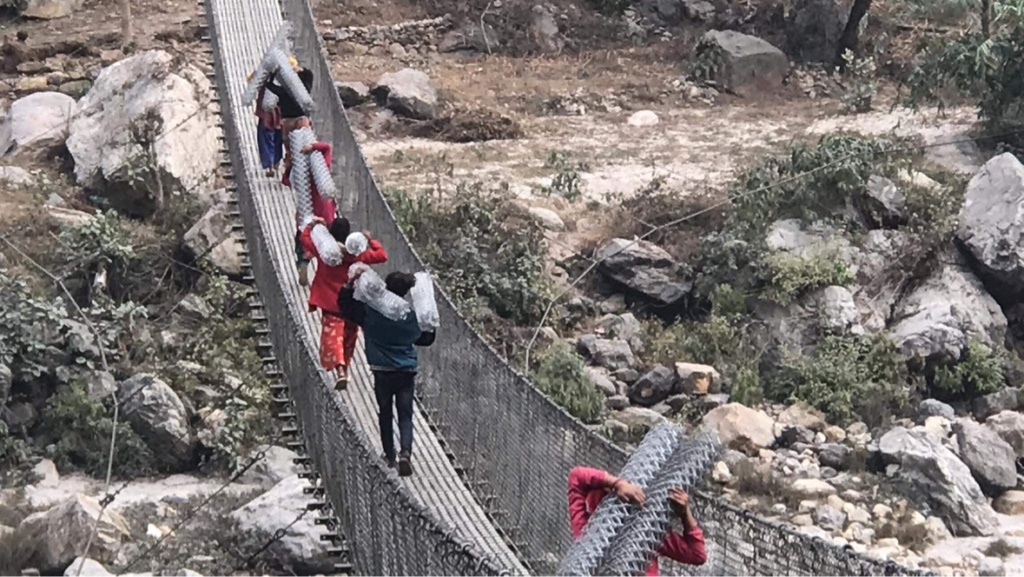
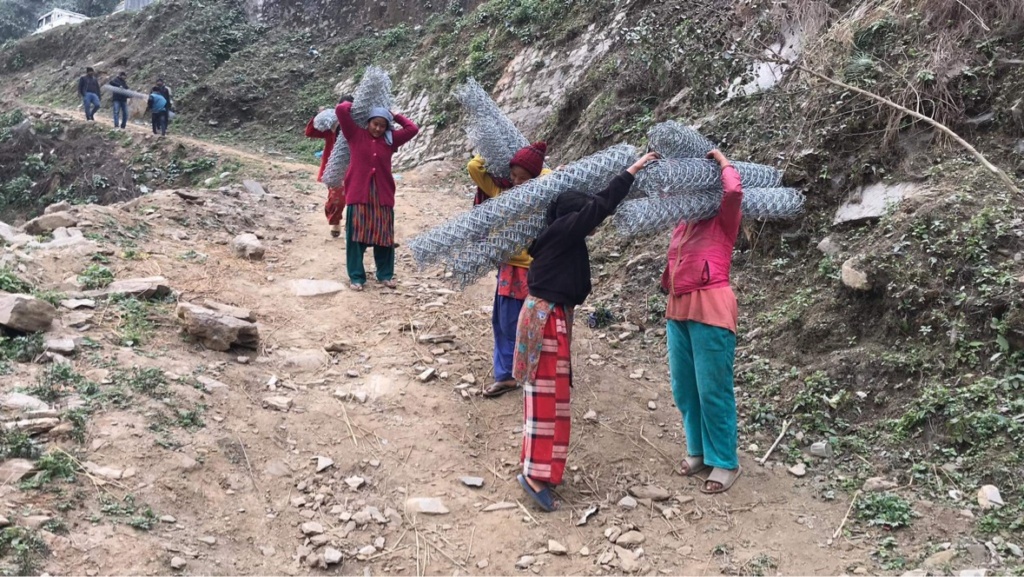
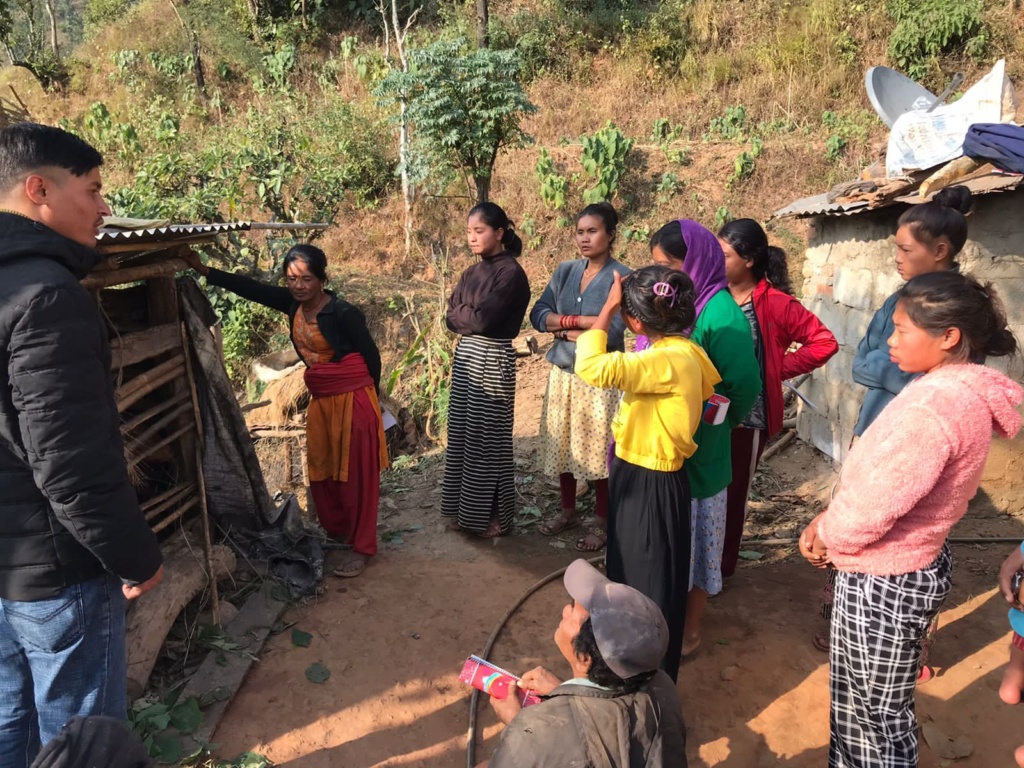
The material for the extension or construction of new stables for the goats was brought close to the village. With a lot of womanpower, fences and corrugated iron roofs were carried over arduous paths to the village and then to the future goat breeders. Under expert guidance, the shelters were built, extended or remodelled in collaboration with the respective owners.
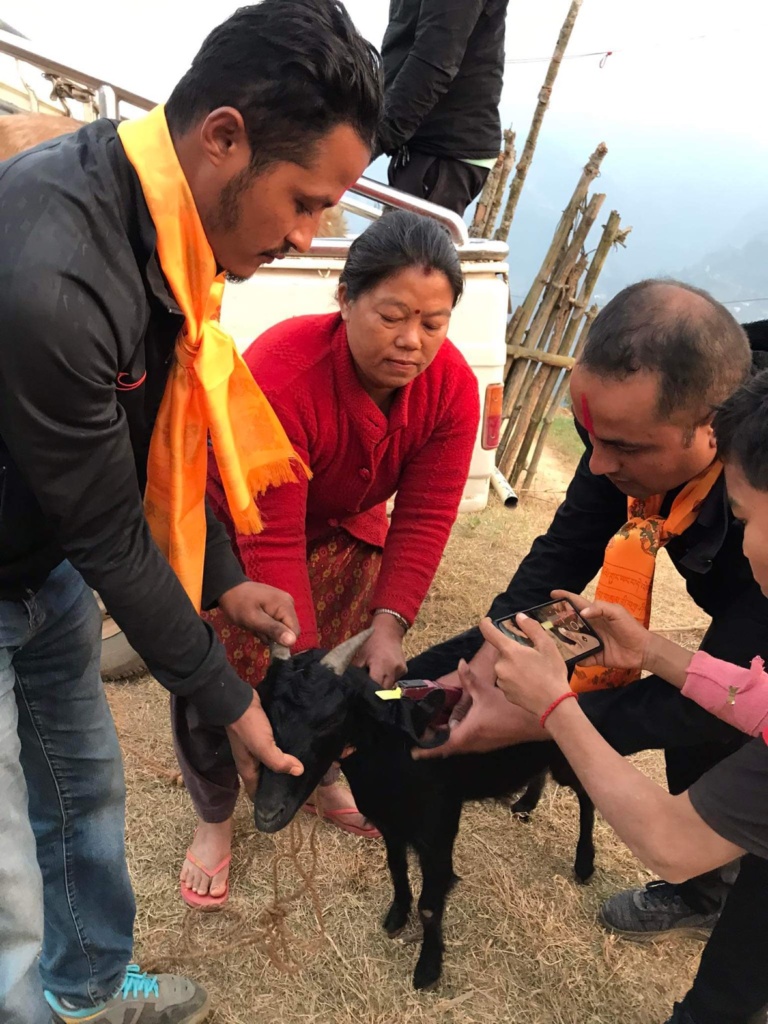
Two weeks later, the time had come: the goats arrived in the village. They were eagerly awaited. The goats are insured, are tagged and then handed over to their families.
The work of preparing the grass for sowing and the subsequent sowing is a joint effort – everyone who can helps.
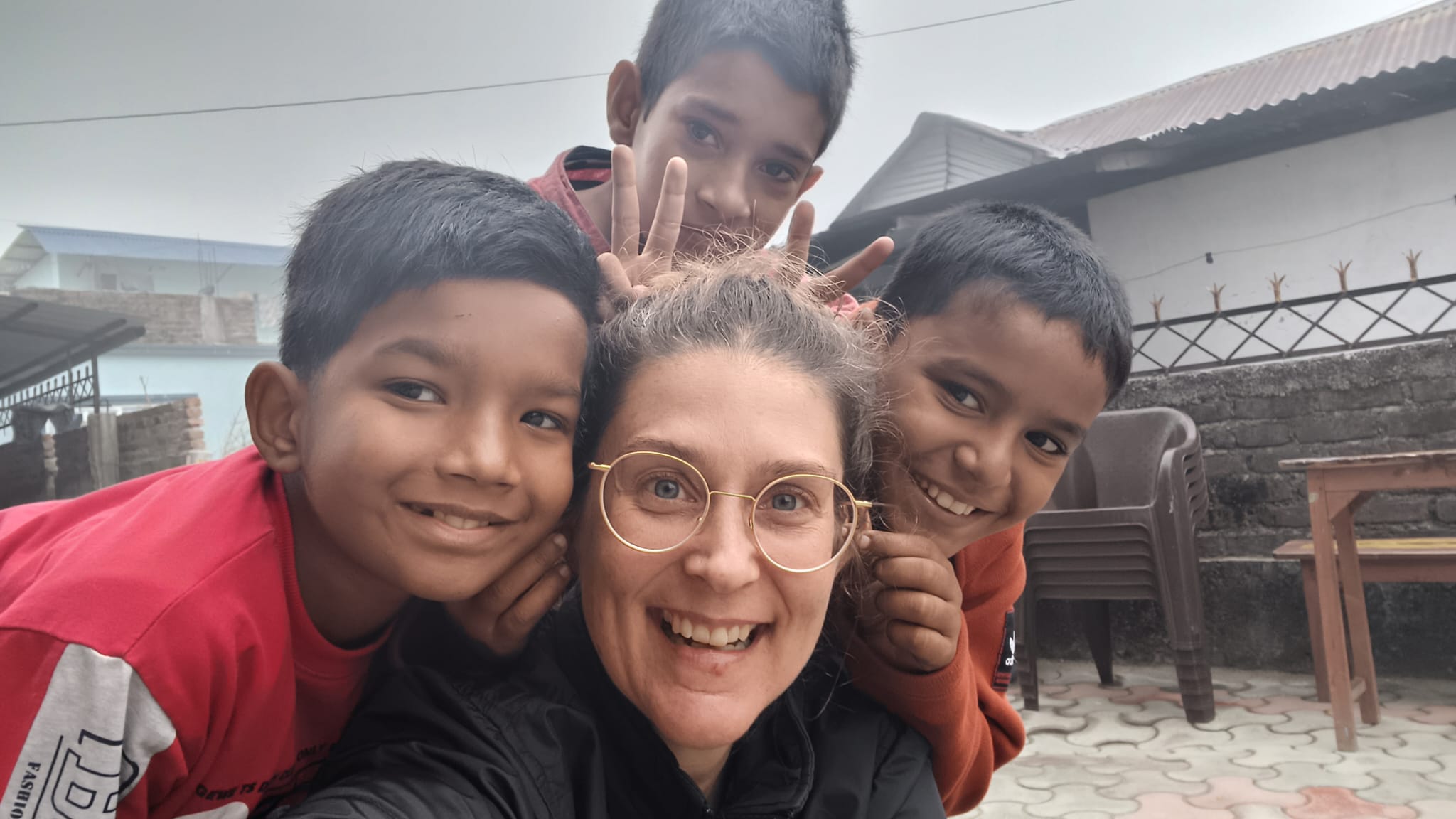
I travelled to Nepal in October 2023. After volunteering in a hospital, I decided without further ado to volunteer in a children’s home for the last month. I came across Tara Namaste by chance. Lilo Veraguth, my contact person, was very straightforward and organised everything spontaneously. So I travelled to Birtamod in mid-November 2023. I will probably never forget the friendly welcome from Narayan Pokhrel at the airport and what followed….
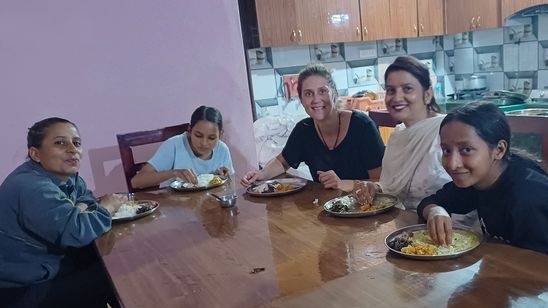
I was warmly welcomed by the Pokhrel family and the children’s home. I felt at home from the beginning to the end. For the first few days, everyone behaved towards me as if I were a guest and I wasn’t allowed to help in the kitchen or with the cleaning. But more and more I was no longer a guest, I became a member of the family and belonged. And that’s how it still feels today to have found a family in Nepal.
I will never forget cooking together, everyday life with the children, playing, talking and laughing. From now on, I will always associate the game UNO with Tara Namaste.
The Tara Namaste children’s home is a wonderful place, it is run in an exemplary manner and offers children a home with lots of love and respect. Each child is allowed to attend a private school and develop individually. Everything is very clean and Durga’s food is fantastic. The children sleep in rooms of 2 or 3, girls and boys are separated. This means that each child has their own space and can withdraw.
I have learnt a lot about life and about myself, plus I can now cook Nepalese food, although I certainly won’t miss dal bhat. 😉
Every cent donated makes a big difference and is a good contribution in such a poor part of eastern Nepal.
I have great respect for Nayaran, his daughter Yasoda and Durga, what they do every day is simply amazing!
Many thanks to Tara Namaste Foundation for giving me this opportunity. I will always keep this in my heart. One day I will return to Nepal, to Birtamod, to Tara Namaste.
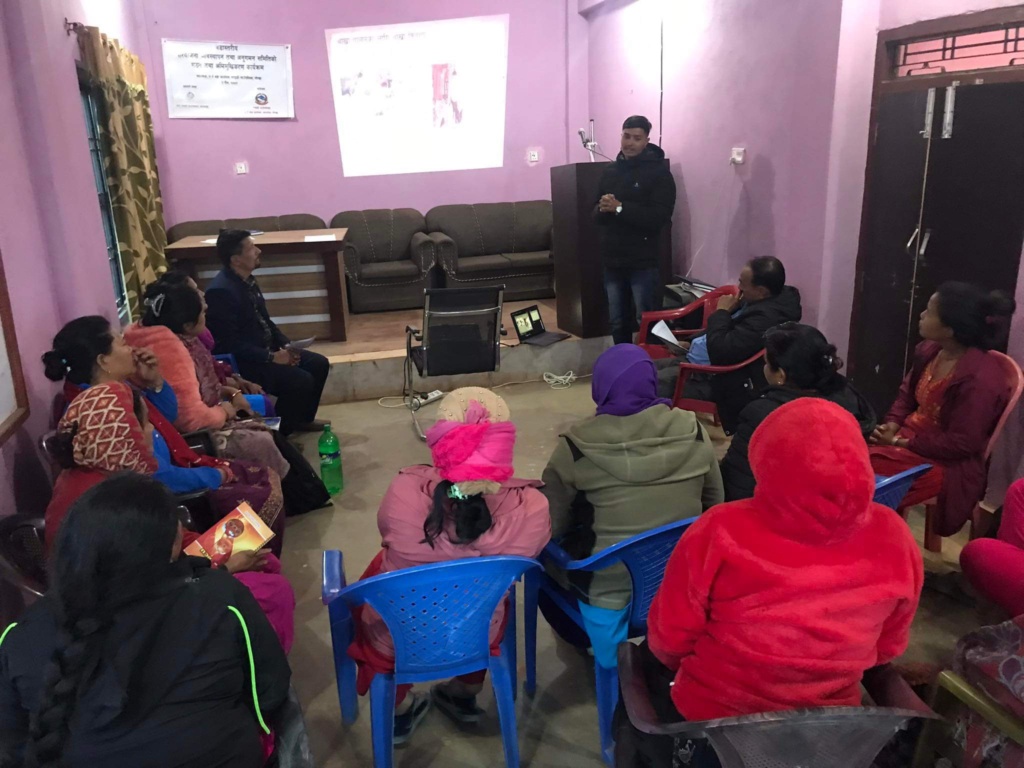
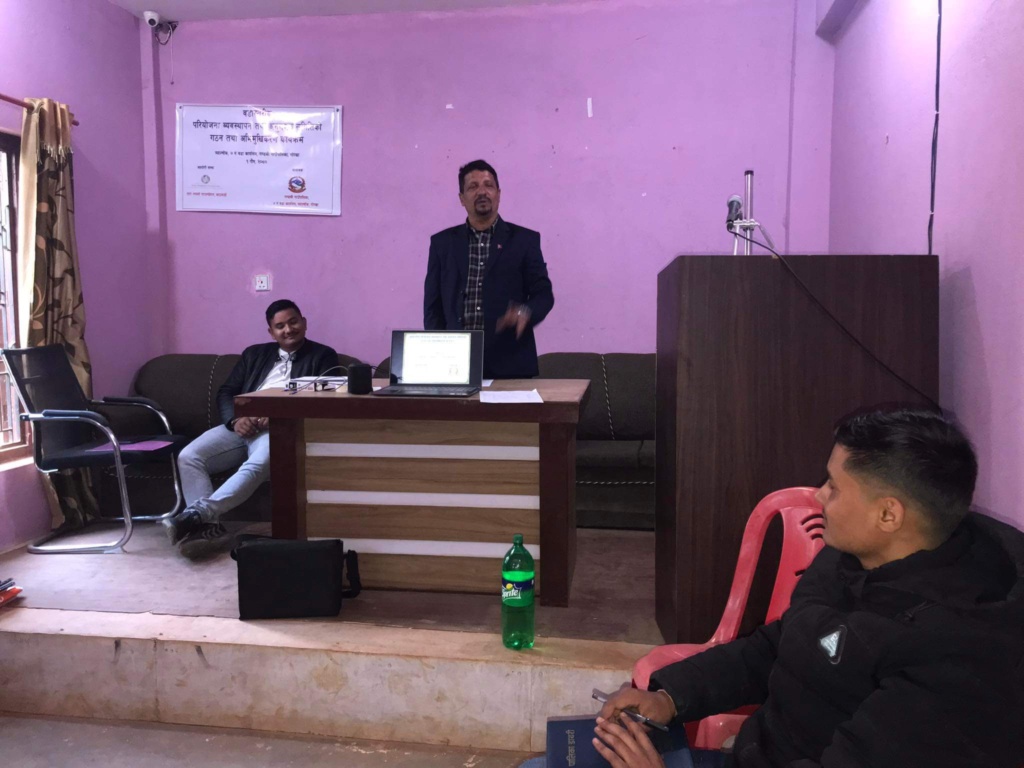
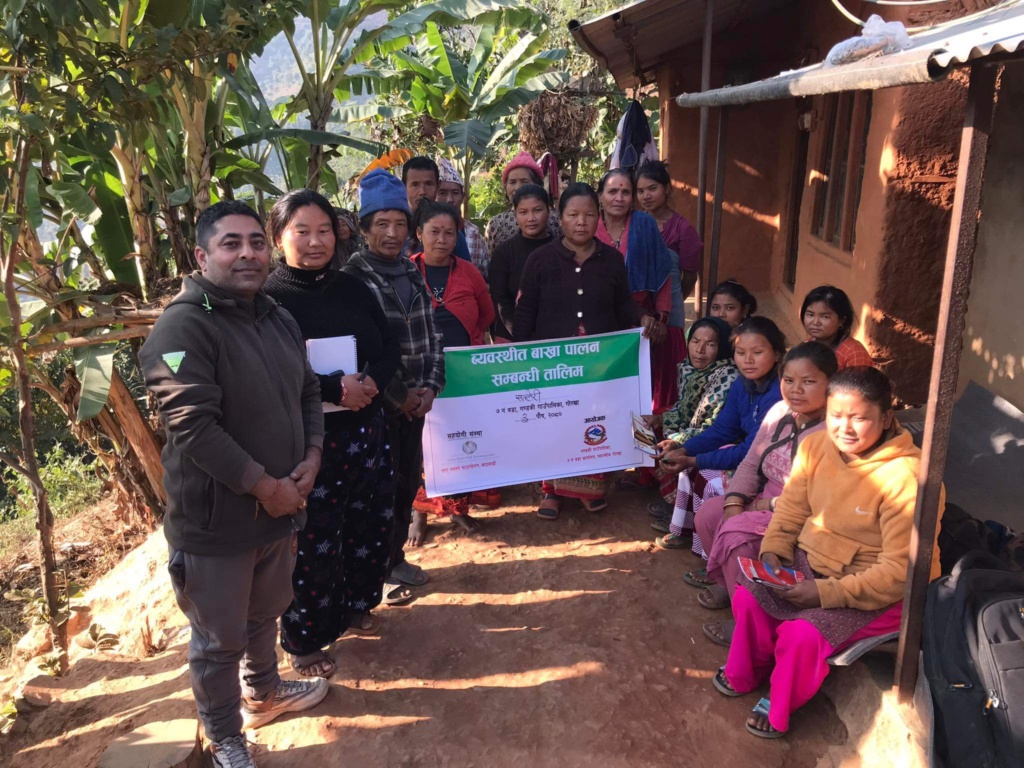
58 members of the first four “goat breeding groups” took part in the training course on commercial goat breeding in December. The participants (10 men, 48 women) were trained by a local livestock development expert on the requirements for goat farming. Topics included animal behaviour, husbandry, feeding, diseases, etc.
A committee of five people was formed from this group. This committee is available to the members of the group for questions relating to goat husbandry, insurance issues and help with the construction of the goat shed.
Before the goats are distributed to the families, the stables must first be repaired or newly built. Quotations were requested for the necessary materials. Once the necessary letter of request has been received from the district office, work can begin.
A project management and monitoring committee was also set up under the leadership of the district chairman. One member from each breeder group, representatives of the Tara Namaste Foundation and the veterinarian also form this committee. This committee will decide on the implementation of the project and will meet every four to six months. At the end of the project period defined by Tara Namaste (3 years in total), this committee will ensure the continuation of the project.
The impact of the project will be evaluated at the end of the project. Seven households from each of the four groups with goats and seven households with chickens were randomly selected for the study in the community. The current status of 28 households has already been surveyed and is now being analysed.
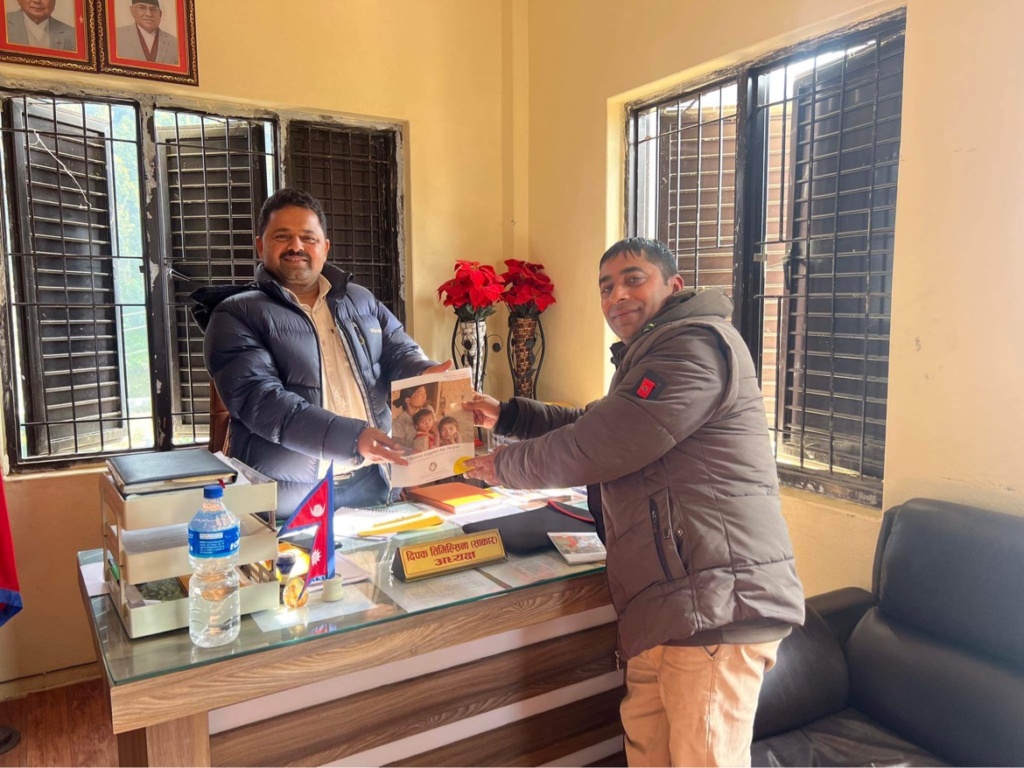
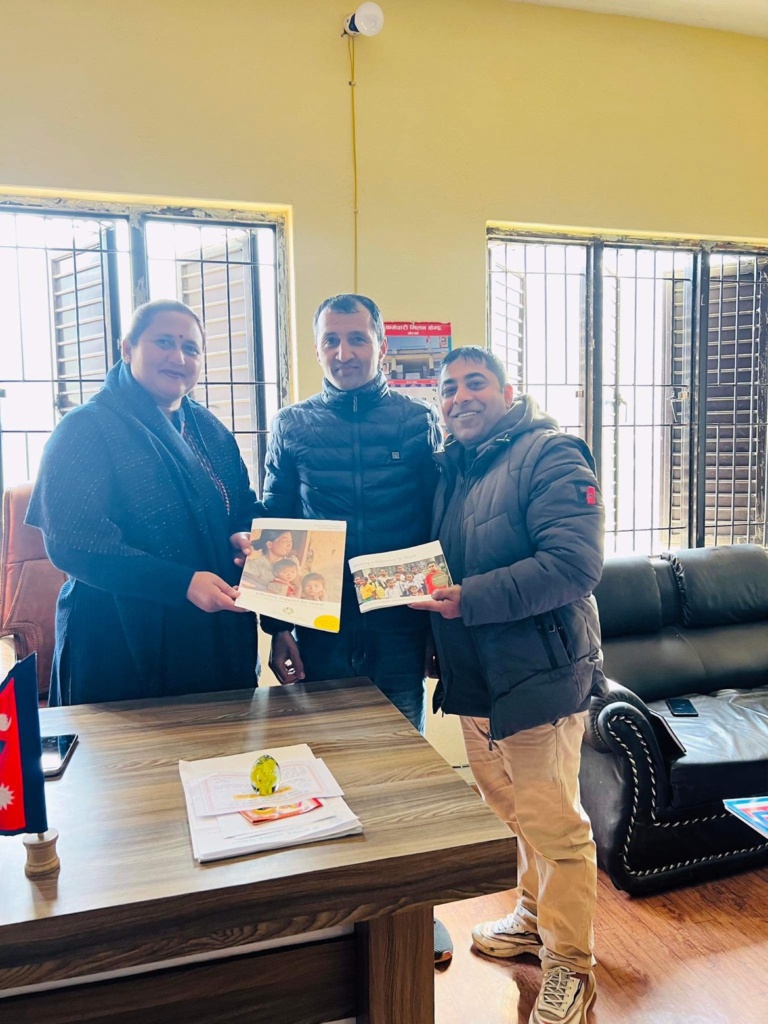
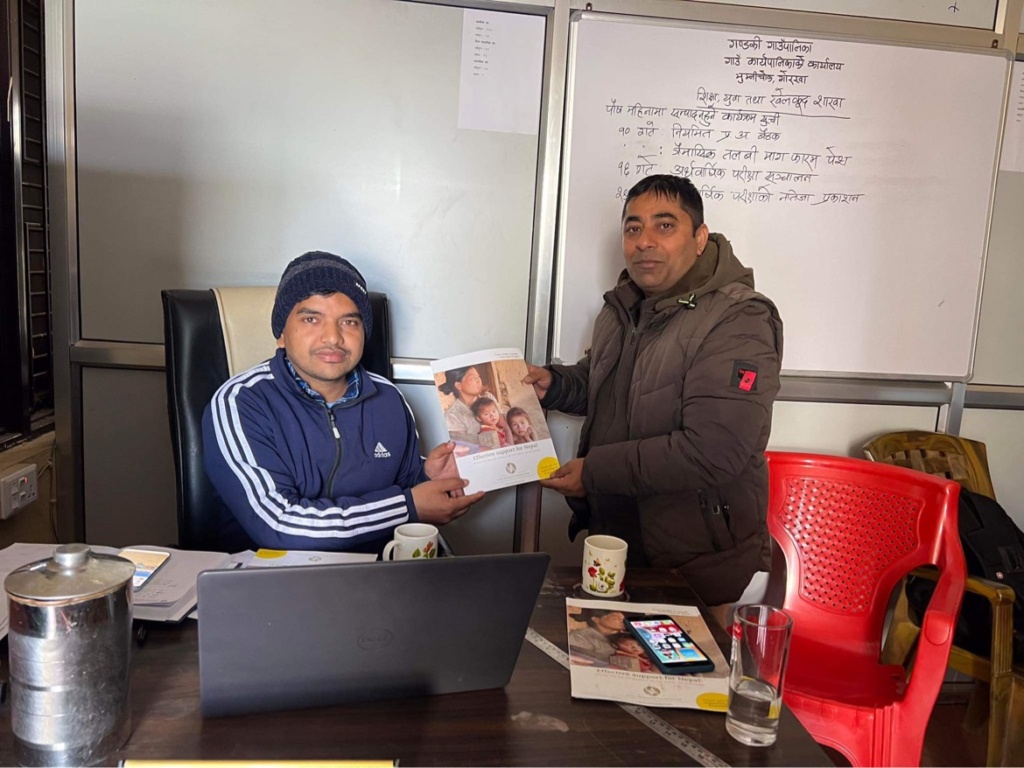
Good networking and liaising with the local authorities is essential. The project has therefore been presented to various representatives of the authorities. We can count on the support of all local authorities.
Various goat farms are currently being visited to find healthy animals. Once the housing for the animals has been completed (February/March), the first goats will be allowed to move in with the families.
Address
Headquarter: Tara Namaste Foundation c/o CSC Company Structure Consulting AG Landstrasse 63 FL-9490 Vaduz
Swiss branch: Tara Namaste Foundation Lilo Veraguth-Holenweger Waltenschwilerstr. 16a 5610 Wohlen
Um dir ein optimales Erlebnis zu bieten, verwenden wir Technologien wie Cookies, um Geräteinformationen zu speichern und/oder darauf zuzugreifen. Wenn du diesen Technologien zustimmst, können wir Daten wie das Surfverhalten oder eindeutige IDs auf dieser Website verarbeiten. Wenn du deine Zustimmung nicht erteilst oder zurückziehst, können bestimmte Merkmale und Funktionen beeinträchtigt werden.
Funktional
Always active
Die technische Speicherung oder der Zugang ist unbedingt erforderlich für den rechtmäßigen Zweck, die Nutzung eines bestimmten Dienstes zu ermöglichen, der vom Teilnehmer oder Nutzer ausdrücklich gewünscht wird, oder für den alleinigen Zweck, die Übertragung einer Nachricht über ein elektronisches Kommunikationsnetz durchzuführen.
Preferences
The technical storage or access is necessary for the legitimate purpose of storing preferences that are not requested by the subscriber or user.
Statistiken
The technical storage or access that is used exclusively for statistical purposes.Die technische Speicherung oder der Zugriff, der ausschließlich zu anonymen statistischen Zwecken verwendet wird. Ohne eine Vorladung, die freiwillige Zustimmung deines Internetdienstanbieters oder zusätzliche Aufzeichnungen von Dritten können die zu diesem Zweck gespeicherten oder abgerufenen Informationen allein in der Regel nicht dazu verwendet werden, dich zu identifizieren.
Marketing
Die technische Speicherung oder der Zugriff ist erforderlich, um Nutzerprofile zu erstellen, um Werbung zu versenden oder um den Nutzer auf einer Website oder über mehrere Websites hinweg zu ähnlichen Marketingzwecken zu verfolgen.